Octavia vRS 245 Stage 1 ECU Remap UK
An Octavia vRS 245 Stage 1 ECU remap in the UK is a software upgrade that helps the 2.0 TSI engine deliver stronger mid range torque, sharper throttle response and smoother power without needing hardware changes. It suits owners who already enjoy the car but want it to feel more eager during overtaking, motorway driving and everyday use.
The vRS 245 is a strong all round car because it can handle the school run, long motorway trips and a spirited weekend drive without feeling out of place. That is why a safe Stage 1 remap appeals to many UK owners who want extra performance without turning a practical hatch or estate into something difficult to live with.
DKU Performance is a Walsall based automotive performance specialist with around two decades of hands on experience. The team offers ECU remapping, custom stainless steel exhaust systems, carbon cleaning and vehicle maintenance, using modern OBD equipment, careful calibration, dyno testing and road checks to help owners get more from their cars in a sensible way.
What Is An Octavia vRS 245 Stage 1 ECU Remap?
An Octavia vRS 245 Stage 1 ECU remap is a software only tune that adjusts the factory engine settings while keeping the standard turbo, intake, exhaust and cooling parts in place. The ECU, which means Engine Control Unit, is the main computer that controls fuel injection, ignition timing, throttle response and boost pressure. For a simple background explanation, the Engine Control Unit page gives useful general information.
Car makers set ECU software to cope with different climates, fuel quality, emissions rules and driving styles around the world. Because of that, the Octavia vRS 245 often has room for careful optimisation, especially when the engine is healthy and properly serviced. Stage 1 tuning works within the safe limits of the original parts, which makes it a popular first step for daily drivers who want more response and useful torque without bigger modification costs.
A proper remap is not the same as fitting a basic tuning box or chasing the biggest number possible. It changes the engine control strategy directly, so boost, fuel delivery, ignition timing and torque request can work together properly. DKU also explains wider performance options through its tuning upgrades, which is useful if you are considering software tuning now and possible hardware upgrades later.
Understanding The Octavia vRS 245 2.0 TSI Engine
The Skoda Octavia vRS 245 uses a turbocharged 2.0 litre TSI petrol engine from the wider Volkswagen Group family. In standard form, it is commonly quoted at around 245 PS and 370 Nm, which already makes it a lively front wheel drive performance car. Its real strength is not only the power figure, but also the way the torque arrives low in the rev range and makes the car easy to drive quickly without always chasing high revs.
That makes the Octavia vRS 245 a strong choice for Stage 1 tuning. The engine responds well when the calibration is handled correctly because turbocharged petrol engines can gain noticeable performance through boost pressure control, fuel adjustment and ignition timing refinement. The aim is not to push the engine beyond reason, but to help the existing hardware work more efficiently and more consistently.
Before any remap, the condition of the car matters more than many owners realise. Spark plugs, fuel quality, oil condition, boost leaks, intake temperatures and service history can all affect the final result. If the car is not healthy before tuning, adding more load is a bit like asking someone with a cold to run a marathon. It might be possible, but it is not going to end well for anyone involved.
How Stage 1 ECU Tuning Improves Boost, Fuel And Ignition
Boost pressure is one of the main areas adjusted during a Stage 1 remap. The turbocharger pushes extra air into the engine, and the ECU controls how much boost is requested and how smoothly it is delivered. A well written map can improve boost delivery so the car pulls harder through the mid range, while still respecting turbo efficiency, intake temperatures and engine safety limits.
Fuel delivery is adjusted to match the extra airflow. On the 2.0 TSI engine, direct injection helps deliver fuel accurately, but the software still needs to be correct under different loads and throttle positions. The goal is clean and stable combustion, not simply adding more fuel and hoping for the best. Correct fuelling helps protect engine parts, control exhaust temperatures and keep the car pleasant to drive every day.
Ignition timing is another key part of the tune. In simple terms, it controls when the spark plug fires during the combustion process. More advanced timing can improve torque and response, but too much timing can cause knock, which can damage the engine if ignored. Safe tuning uses live data, knock feedback and sensible margins, because the best remap is the one that still feels right after thousands of miles.
Octavia vRS 245 Stage 1 Remap UK Performance Figures
Realistic Stage 1 figures for an Octavia vRS 245 vary from car to car, but many healthy examples can often see gains of around 30 to 50 bhp and 60 to 80 Nm when tuned sensibly on good quality fuel. That can place a strong Stage 1 car in the high 270 bhp to near 300 bhp area, with torque often moving into the low to mid 400 Nm range. These are guide figures rather than promises, because every engine, fuel tank, dyno and weather day can affect the result.
The standard car is usually quoted with a 0 to 62 mph time in the high six second range, depending on gearbox and body style. After a Stage 1 remap, the biggest difference is often felt in rolling acceleration rather than a standing start. Front wheel drive traction can limit launch times, especially on damp UK roads, but in gear pulling power from 30 to 70 mph and motorway overtakes can feel much stronger.
For most owners, that is the real benefit. You do not need to drive everywhere like you are late for a track session. The car simply feels more awake, more flexible and more confident when you ask for power. A well calibrated map should make the Octavia feel like a sharper version of itself, not a completely different car that has forgotten it still needs to carry shopping, children, luggage and the occasional flat pack wardrobe.
DKU Performance Stage 1 Remap Process In Walsall
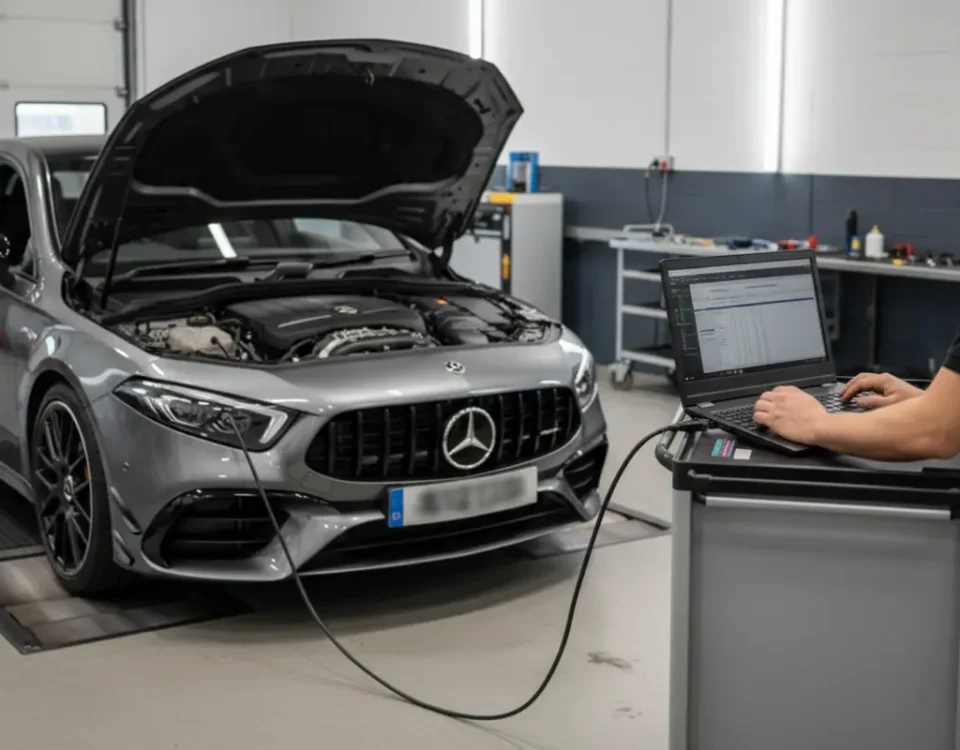
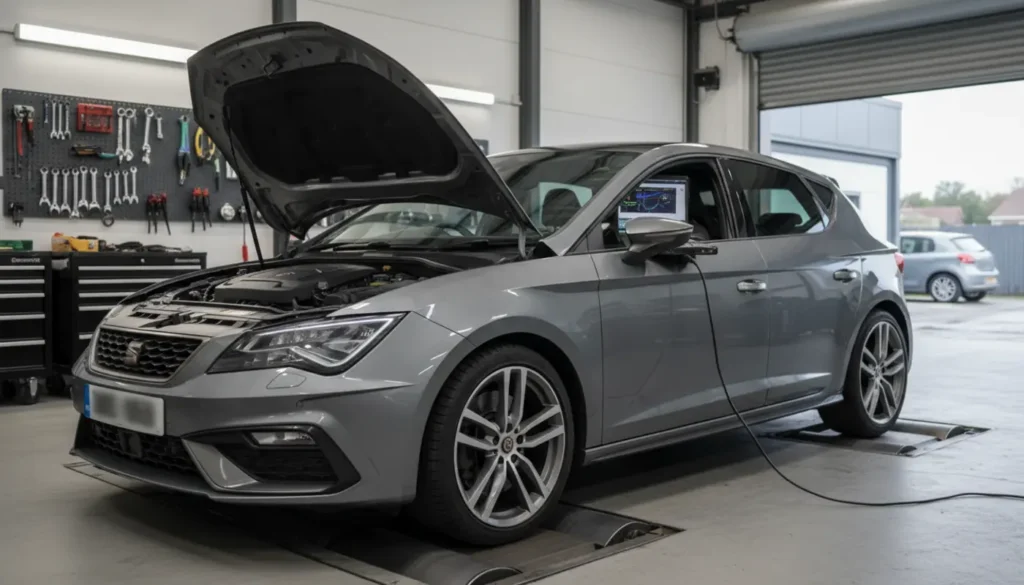
DKU Performance's ECU remapping process starts with a proper check of the vehicle's current performance and engine data. The team reads data through the OBD port, which is the diagnostic connection used to communicate with the car's ECU. This helps show whether the car is suitable for tuning and whether anything needs attention before the software is changed.
Once the original ECU data is read and checked, the software can be adjusted to suit the vehicle and the owner's goals. On an Octavia vRS 245, that means careful changes to torque request, boost pressure, fuel delivery, ignition timing and throttle response. The purpose is to release extra torque and power while supporting reliability, rather than using an aggressive file and hoping the engine does not complain.
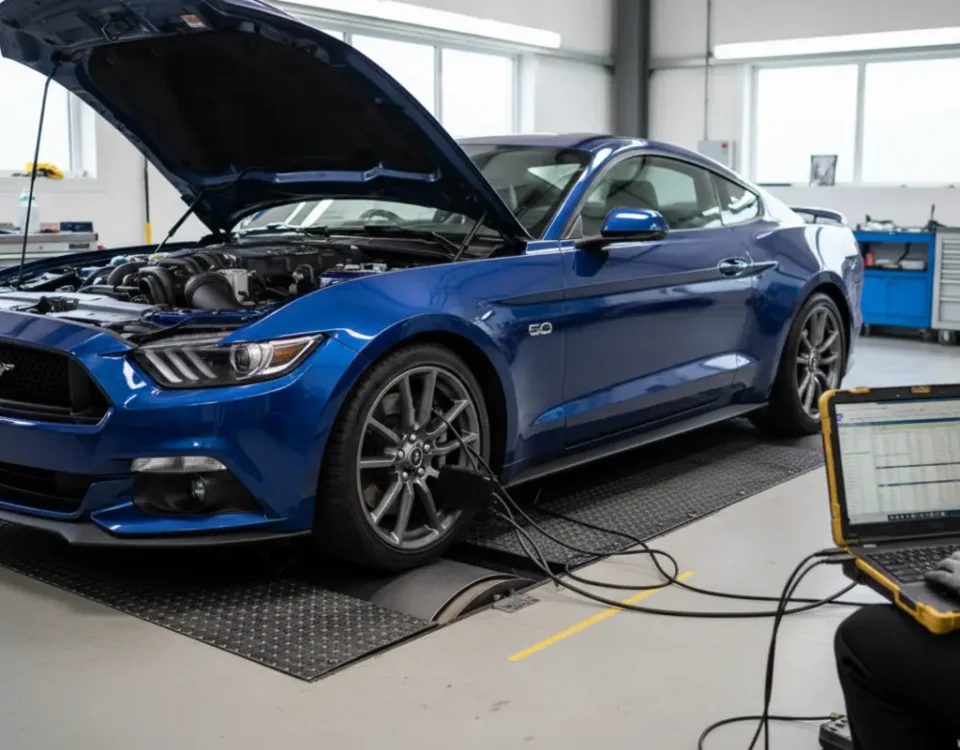
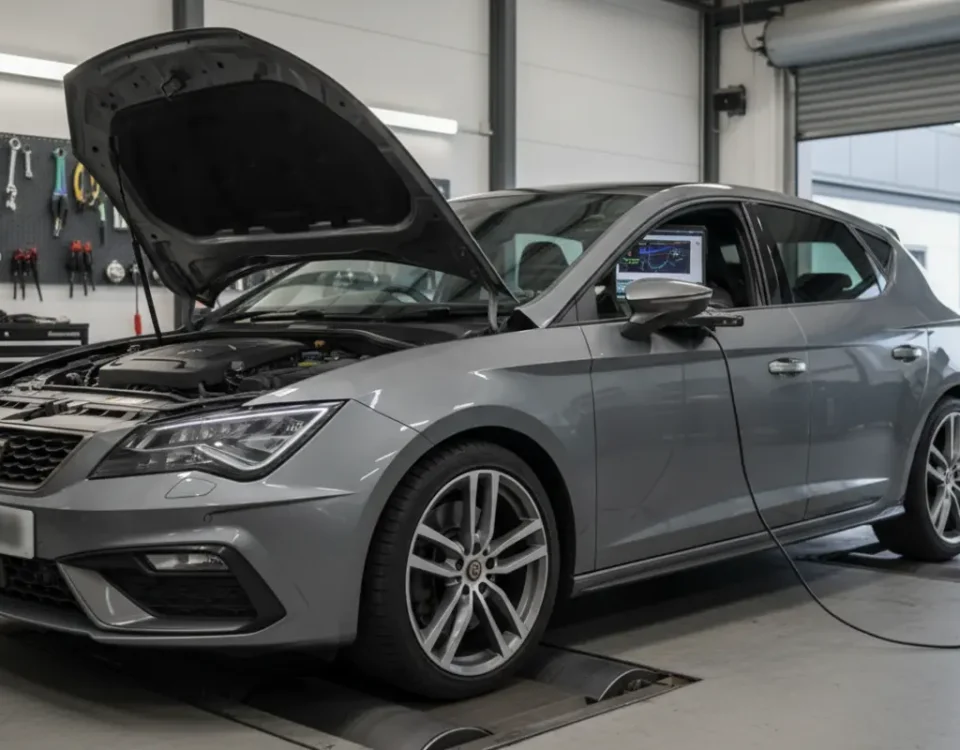
Testing is an important part of the process. DKU uses dyno equipment and road checks so the finished result can be tested under controlled load and normal driving conditions. That matters for local owners dealing with M6 commutes, Birmingham traffic, school runs, weekend B roads and typical UK weather that can move from dry to slippery very quickly. The workshop's practical experience with performance cars is also shown through completed vehicle work, including Skoda examples such as the Skoda Octavia vRS project, which reflects the team's hands on approach to enthusiast cars.
What Is Included In A Stage 1 Remap?
A Stage 1 remap for the Octavia vRS 245 is mainly about calibration rather than new parts. The factory hardware stays in place, so there is no required exhaust, intake or intercooler upgrade for a normal Stage 1 setup. The focus is on helping the ECU manage the original components more effectively.
- Boost Pressure Optimisation. The turbo boost strategy is refined for stronger and smoother torque delivery.
- Fuel Map Adjustment. Fuel delivery is matched to the extra airflow for stable combustion under load.
- Ignition Timing Refinement. Spark timing is adjusted carefully while safety margins and knock control are monitored.
- Throttle Response Improvement. Pedal response can be made sharper and more natural without feeling awkward in traffic.
- Torque Management. Power delivery is shaped so the clutch or DSG gearbox is treated sensibly.
That last point is worth taking seriously. Torque is what you feel when the car pulls hard, but it is also what the drivetrain has to handle. A good Stage 1 tune gives you more shove without making low speed traction messy or placing unnecessary strain through the car.
Stage 1 Versus Stage 2 Remap Roadmap
Stage 1 is the sensible first step for most UK Octavia vRS 245 owners because it uses standard hardware and keeps the car easy to live with. If you are worried that a remap might make your daily driver harder to manage, this is exactly why Stage 1 is so popular. Stage 2 is the next level and usually involves supporting modifications such as improved intake flow, exhaust flow and cooling, followed by revised software to suit those parts. You can read more about the general idea of Stage 2 remapping if you are planning a future upgrade path.
The Stage 2 route can offer higher power potential, but it also brings more cost, more complexity and more responsibility. Hardware quality matters, emissions equipment must remain road legal, and the car's cooling and servicing need to be kept in good condition. For a daily driven estate or hatch, Stage 1 often hits the sweet spot because it adds noticeable performance while keeping the original character and practicality.
If you want a louder or freer flowing exhaust later, DKU also designs and builds custom stainless steel exhausts in house using high quality T304 stainless steel. These systems are made to suit the vehicle and the owner's preferred sound, and DKU offers a lifetime guarantee on its custom exhaust systems. Not every Stage 1 car needs an exhaust, but it is useful to know if your long term plan includes sound, flow and appearance upgrades.
Reliability, Dyno Testing And Safe Tuning
Safe tuning is based on evidence, not guesswork. A rolling road dyno allows the car to be tested under controlled load, while live data logging shows what the engine is actually doing. Boost levels, intake temperatures, ignition correction, fuel behaviour and torque delivery all tell the tuner whether the calibration is happy or needs more work.
This is where a professional workshop matters. DKU's remapping process includes analysis, careful software adjustment, dyno validation, road testing and a clear performance report for transparency. That measured approach helps avoid overly aggressive tuning that feels exciting for a few minutes, then creates heat, clutch slip, hesitation or warning lights. Nobody books a remap hoping to collect a dashboard full of warning lamps.
Owners can also support reliability by keeping maintenance simple and consistent. Use good quality fuel, keep oil changes sensible, replace spark plugs when needed and fix small faults quickly. A remap should be treated as part of the car's wider health, not a magic fix for tired components.
Fuel Economy And Daily Driving MPG
A Stage 1 remap can improve fuel economy in some driving conditions because the engine may produce more torque with less throttle input. On motorway runs or relaxed commutes, that can mean the car feels less strained and needs less pedal to maintain speed. For a family estate used daily, this can be one of the quiet benefits that owners value just as much as the extra power.
There is a catch, of course. If you use the extra performance at every slip road, roundabout and open stretch, fuel economy will drop because more boost and more power need more fuel. The best way to protect MPG after a remap is to use the extra torque smoothly, change gear sensibly, keep tyres correctly inflated and avoid hard throttle when the engine is cold.
Stage 1 gives the car more ability, but it does not force you to use all of it all the time. Driven calmly, the Octavia vRS 245 can remain a practical and efficient daily driver. Driven like every commute is a touring car race, it will drink more fuel, and it would be a little unfair to blame the ECU for that.
UK Insurance, MOT And Legal Considerations
ECU remapping is not illegal in the UK when it is carried out responsibly and the vehicle remains compliant with road and emissions rules. However, a remap is a modification, so you should declare it to your insurer. It is much better to be clear before tuning than to be surprised later, because failing to tell your insurer can risk invalidating your cover.
For MOT purposes, the key issue is whether the car meets the required safety and emissions standards. A well calibrated Stage 1 remap on a healthy petrol car with its emissions equipment intact should not automatically mean an MOT failure. Problems are more likely when owners remove or tamper with emissions equipment, which is not the same as responsible software tuning.
Warranty is another area to consider. If your Skoda is still under any manufacturer or aftermarket warranty, software changes may affect cover if they are detected or linked to a claim. DKU has useful ownership context on the impact of remapping on warranty and insurance, and it is always sensible to read your policy documents before tuning.
Why West Midlands Owners Choose DKU Performance
Skoda Octavia vRS 245 owners across Walsall, Birmingham and the wider West Midlands often want the same thing, which is more performance without losing the car's everyday manners. DKU Performance suits that need because the workshop combines enthusiast experience with a responsible tuning process, modern OBD equipment and dyno backed checks. The approach is friendly, practical and focused on what the customer actually wants from the car.
The wider DKU background also helps build trust. The company began with a genuine passion for high performance cars and custom stainless steel exhaust fabrication, then grew into a workshop offering remapping, carbon cleaning, DPF services, vehicle security and maintenance support. That mix of skills matters because performance tuning is rarely one isolated job. It is about understanding how the engine, exhaust, software and daily use all fit together.
If your Octavia vRS 245 is healthy, well maintained and you want stronger performance without hardware changes, Stage 1 is a very appealing upgrade. The sensible next step is to contact DKU Performance for tailored Stage 1 remap advice, a vehicle health check or a dyno backed tuning session. Tell the team how you use the car, and they can help you decide whether your goal is sharper response, better overtaking confidence, stronger mid range torque or a balanced daily tune.
Frequently Asked Questions
Is A Stage 1 Remap Safe For The Octavia vRS 245?
Yes, it can be safe when the car is healthy and the map is written sensibly with proper testing. The quality of the calibration and the condition of the vehicle matter more than the headline power figure.
Does A Stage 1 Remap Need Hardware Upgrades?
No, Stage 1 is designed for standard hardware. If you add parts such as exhaust or intake upgrades later, the software may need to be reviewed to suit the new setup.
Will A Remap Improve Fuel Economy?
It can improve MPG during calm driving because the engine may produce more torque with less throttle input. If you use the extra power often, fuel use will increase.
Do I Need To Tell My Insurer About An ECU Remap?
Yes, you should declare any ECU remap to your insurer because it is a performance modification. Not declaring it can put your cover at risk.
Will A Stage 1 Remap Fail An MOT?
A Stage 1 remap should not automatically fail an MOT if the vehicle remains road legal and emissions equipment is intact. The car still needs to meet the required safety and emissions standards on the day of the test.