Cupra Leon Stage 1 ECU Remap IS38 – BHP & Performance Gains
Cupra Leon Stage 1 ECU Remap IS38 BHP And Performance Gains
A Cupra Leon Stage 1 ECU remap on an IS38 equipped car can deliver stronger BHP, sharper torque and much better real world acceleration without needing major hardware changes straight away. It is one of the most sensible first upgrades for owners who want more punch while keeping the car smooth, usable and reliable for daily driving.
If your Cupra Leon already feels quick but you know there is more waiting to be unlocked, Stage 1 tuning is a strong place to start. On the right IS38 setup, a carefully written ECU remap can make the car feel far more eager through the mid range while still behaving well in traffic, on the motorway and during normal road use.
The appeal is simple. The Cupra Leon already has a strong turbocharged platform, and the IS38 turbo gives it enough airflow headroom to respond very well to refined ECU calibration. That means better boost control, improved throttle response and a more exciting drive without turning the car into a difficult weekend toy.
DKU Performance helps Cupra Leon owners across Walsall, Birmingham and the West Midlands with in house ECU remapping, OBD tuning, dyno testing and real world validation. The focus is clear advice, sensible reliability and more performance that suits how the car is actually used.
What A Stage 1 IS38 ECU Remap Means
A Stage 1 IS38 ECU remap is a software upgrade for the engine control unit, which is the car's main engine computer. The ECU controls boost pressure, fuel delivery, ignition timing, throttle behaviour and many other engine settings, so a remap adjusts how the engine uses the hardware already fitted to the car.
Stage 1 is normally the first proper tuning step because it works with standard hardware, as long as the car is healthy and suitable. It is not about adding random boost and hoping for the best, because that is the car tuning version of wearing flip flops to a track day. A proper Stage 1 map should be measured, logged and tested so the extra power arrives smoothly and safely.
It is completely normal to feel cautious before remapping your car. You may want more power, but you also want it to start every morning, behave in traffic and stay dependable on the school run, the commute or a weekend drive. That is exactly why proper testing and sensible calibration matter.
For owners comparing upgrade routes, ECU remapping is usually more refined than a generic plug in device because the calibration can be tailored to the car. It also lets the tuner check how the engine reacts under load, rather than relying only on a fixed signal change.
Why UK Owners Start With Stage 1
UK Cupra Leon owners often start with Stage 1 because it offers a strong balance of cost, drivability and performance gains. You can enjoy a noticeable lift in gear acceleration, more eager overtaking response and stronger pull from lower revs, without immediately needing a long list of supporting modifications.
It also suits the way many cars are used in Britain. A Cupra Leon might spend one minute cruising along the M6 and the next dealing with a wet roundabout outside Walsall, so usable torque and smooth power delivery matter more than a headline dyno figure that only looks good online.
IS38 Turbo Vs Stock IS20
The IS38 turbo is a larger turbocharger from the Volkswagen Group performance family and is commonly linked with higher output MQB platform cars. Compared with the smaller IS20 unit used on lower powered versions, the IS38 can move more air, support stronger boost levels and hold power more confidently higher in the rev range.
The basic idea is easy to understand. A turbo forces extra air into the engine, and more air allows more fuel to be burned efficiently when the ECU calibration is right. The IS20 is quick to respond and works well on milder setups, but the IS38 has more flow capacity. That makes it a stronger base for drivers chasing serious BHP and torque gains.
This is why the Cupra Leon is such a good remap candidate when fitted with the IS38 setup. The turbo has enough headroom for Stage 1 tuning to make a real difference, while the engine management can be adjusted to use that potential in a controlled way.
Why The IS38 Makes The Cupra Leon A Strong Remap Candidate
The IS38 gives the Cupra Leon a useful performance ceiling because it is not already working at its limit at factory power. With the right calibration, the ECU can request and manage extra boost, refine fuelling and improve ignition timing, while still monitoring temperatures, knock control and load limits.
That does not mean every car produces the same numbers. Fuel quality, servicing condition, intake temperatures, spark plug health, gearbox behaviour and previous modifications all affect the final result. A good tuner will treat the car in front of them as an individual, not as a spreadsheet with wheels.
Realistic Cupra Leon IS38 Stage 1 BHP And Torque Gains
Realistic BHP and torque gains depend on the exact model, engine code, fuel quality and vehicle condition, but many healthy IS38 equipped 2.0 TSI cars can see a strong and very noticeable increase over factory output. The biggest difference most owners feel is not only the peak BHP figure, but the stronger mid range torque that makes the car pull harder in normal road driving.
As a broad expectation, a well calibrated Stage 1 IS38 tune can often move a factory performance Cupra Leon from around the high 200 BHP or 300 BHP region into a higher output band that feels much closer to a more serious hot hatch. Torque can also rise significantly, giving better roll on acceleration in third, fourth and fifth gear, where many owners use the car most often.
Before and after figures should always be treated as realistic estimates rather than promises. Dyno type, weather, tyre condition, fuel grade and heat soak all influence the graph. DKU Performance uses dyno and real world testing as part of its ECU work, which helps owners understand what their own car is doing rather than relying on guesswork from online forums.
What Happens To 0 To 62 MPH And In Gear Pull
A Stage 1 IS38 remap can improve 0 to 62 MPH performance, especially on cars with good tyres, a healthy DSG or manual gearbox and suitable conditions. However, traction becomes a real factor because extra torque is only useful if the tyres can put it down, and British roads are not exactly famous for being warm and dry all year.
The bigger everyday gain is usually in gear acceleration. The car feels more responsive when joining a dual carriageway, overtaking slower traffic or pulling out of bends, because the turbo builds useful boost and the ECU delivers torque more confidently.
What Is Included In A Stage 1 IS38 Remap
A Stage 1 IS38 remap is more than a quick power file. The aim is to refine the engine management software so the turbocharged engine works more efficiently and delivers power in a controlled, predictable way. When done properly, it should feel like the car came from the factory with a more focused performance calibration.
- Boost pressure optimisation adjusts how much boost the turbo requests and how that boost is controlled across the rev range.
- Fuelling map refinement calibrates fuel delivery to support the extra air entering the engine while keeping combustion stable.
- Ignition timing adjustment improves torque and response while helping to avoid harmful knock.
- Throttle response calibration can sharpen pedal input so the car feels more alert without becoming jerky in traffic.
- Torque management adjusts load and torque limits carefully, especially on DSG equipped cars.
This is where a professional process matters. DKU Performance connects through the OBD port where suitable, extracts and reviews vehicle data, adjusts the ECU software and validates the result through testing. For owners planning supporting hardware later, tuning upgrades can also be discussed as part of a sensible performance roadmap.
DKU Performance IS38 Remap Process In Walsall
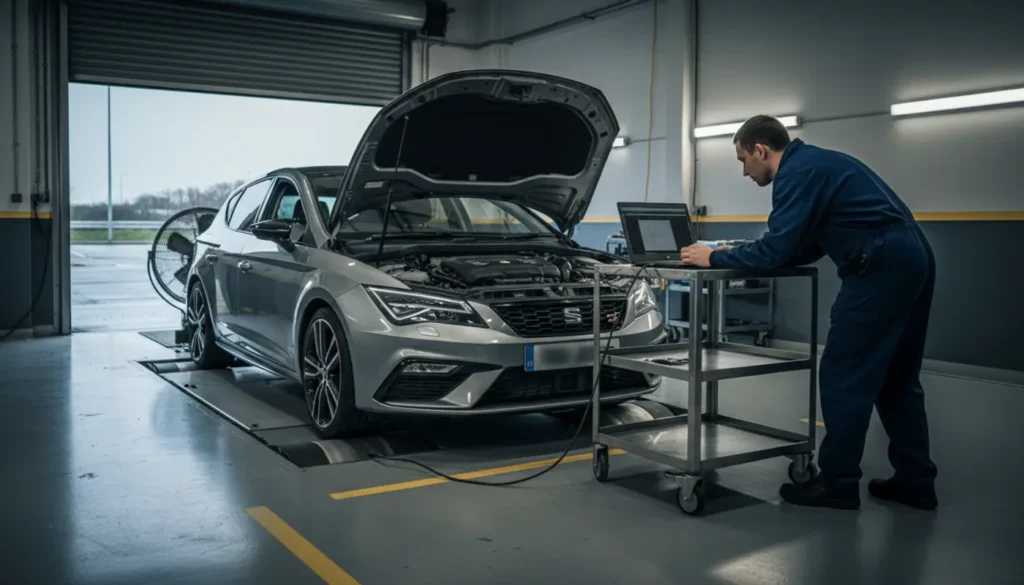
DKU Performance follows an in house ECU remapping process designed to understand the car before chasing numbers. The team begins by evaluating the vehicle's current performance and checking key engine data, because tuning a car with hidden issues is asking for trouble, and trouble is rarely cheap.
Data is then read through the vehicle's OBD port where appropriate, allowing the calibration to be reviewed and adjusted. The map can then be written to suit the driver's goals, whether that means maximum safe performance, smoother daily drivability or a balanced tune that leaves room for future modifications.
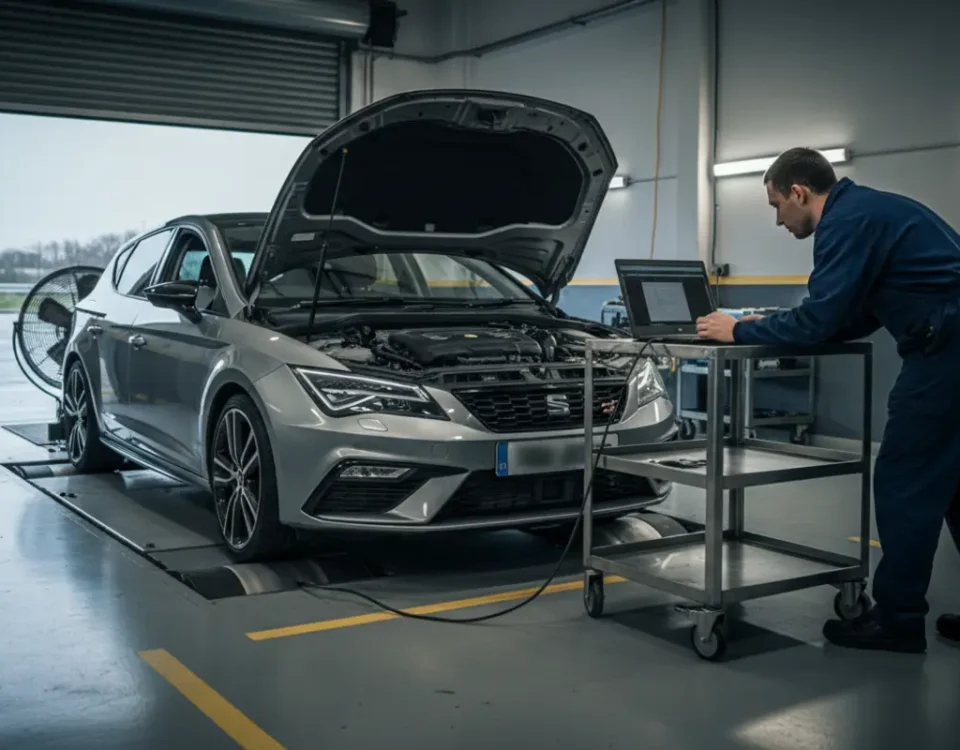
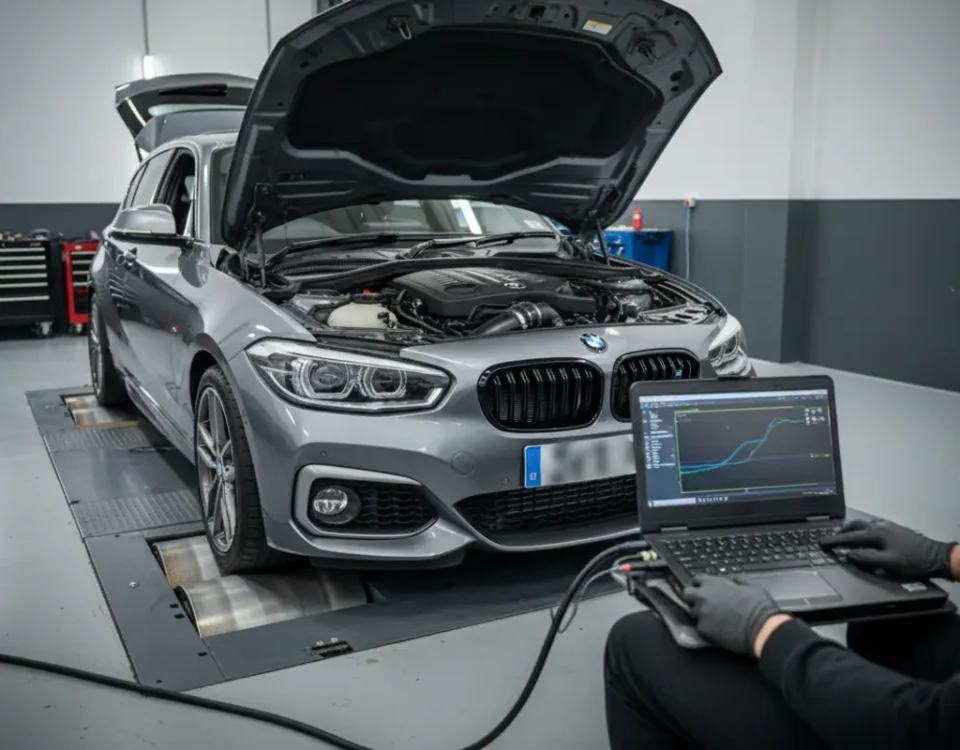
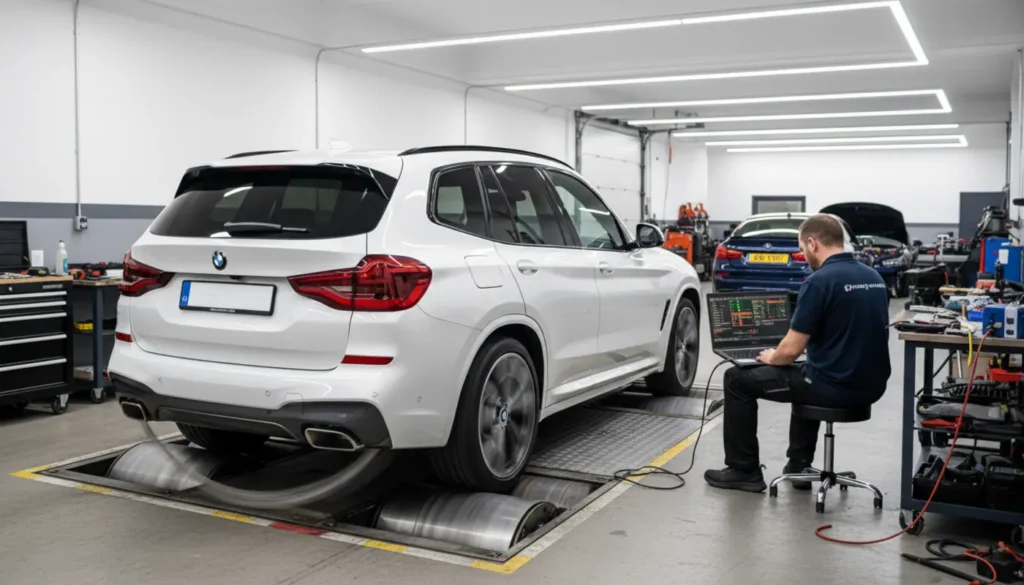
After the software is applied, dyno testing and real world validation help confirm the result. This matters because a Cupra Leon can look brilliant on one power run but reveal heat, fuelling or timing concerns once properly logged. A responsible remap checks what the car is doing under load, not just what the final graph says.
Rolling Road Dyno Testing And Live Data Logging
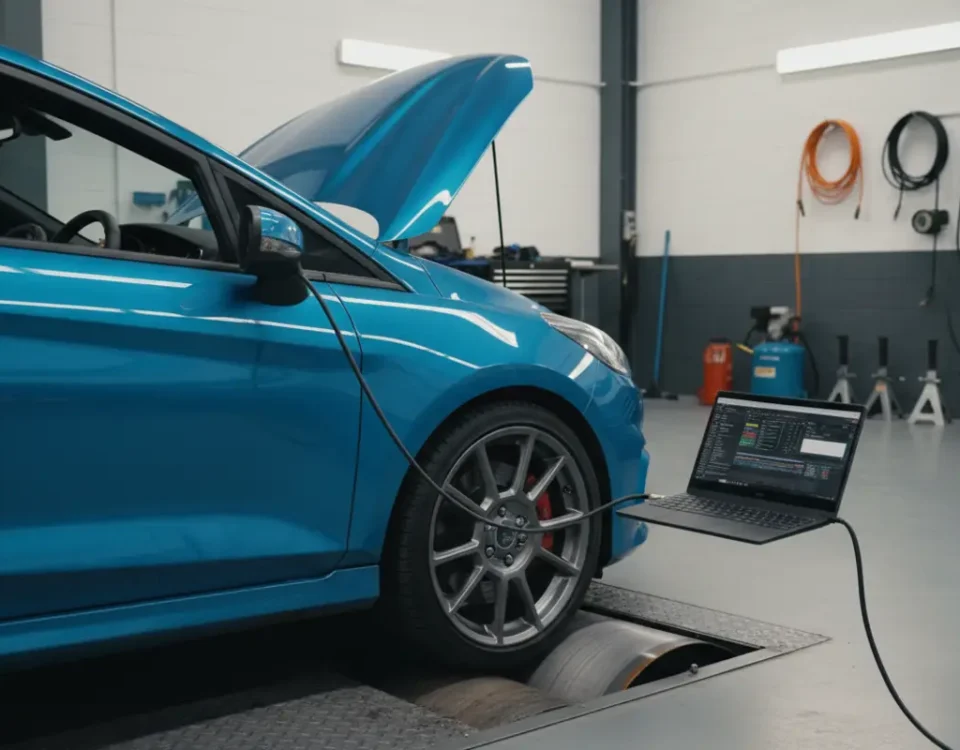
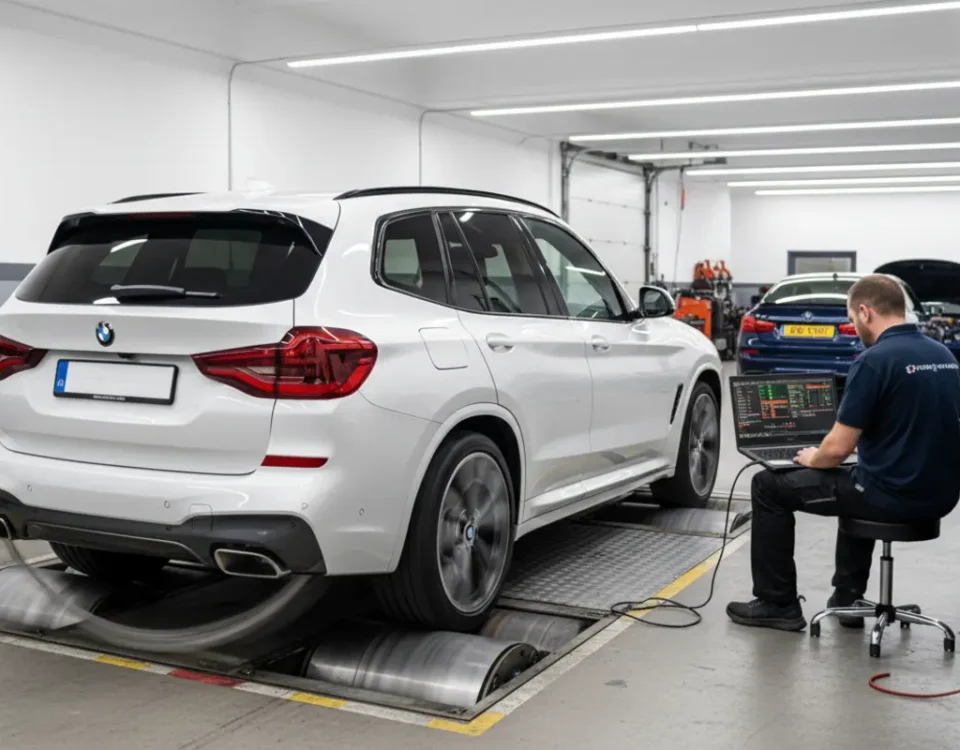
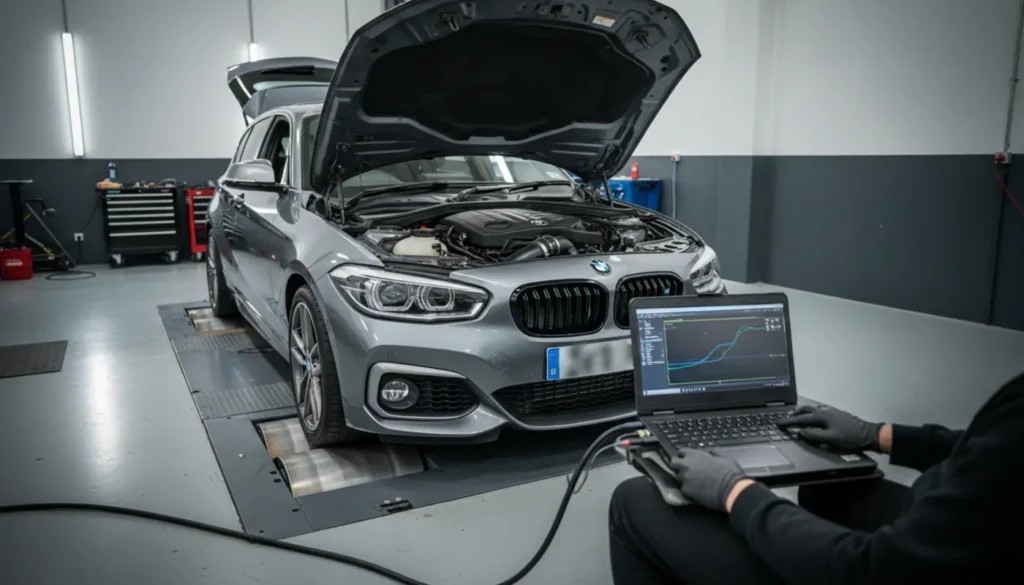
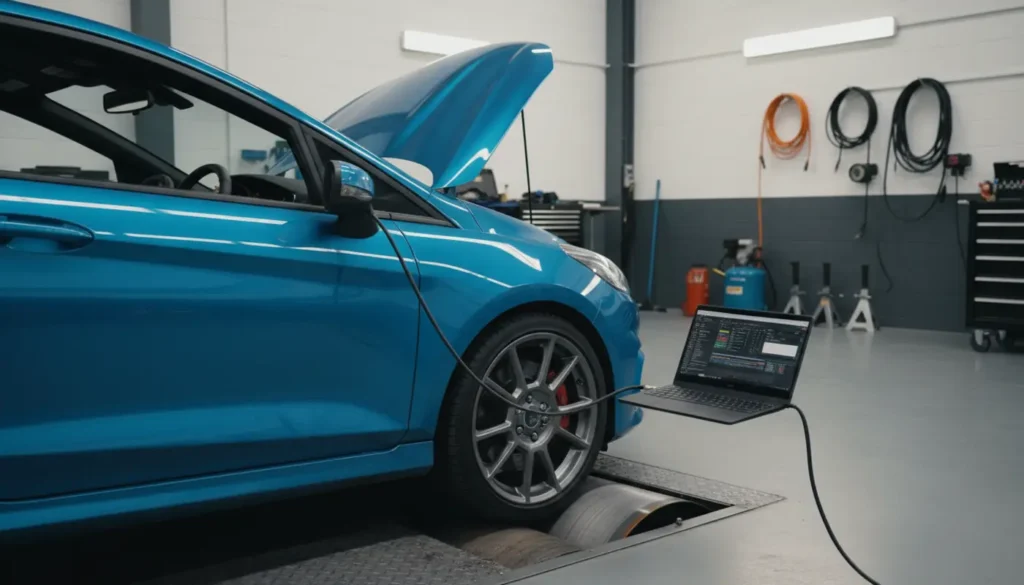
Rolling road dyno testing allows the car to be measured under controlled load, while live data logging shows how the engine is behaving during the tune. Readings such as boost pressure, intake temperature, ignition correction, fuelling and torque request help build a clearer picture of the engine's health.
This approach is especially useful on IS38 cars because higher boost and torque levels need proper management. A safe tune should deliver strong performance while respecting the limits of the turbo, engine, clutch or DSG gearbox, cooling system and fuel quality.
Stage 1 Vs Stage 2 Roadmap For The Cupra Leon
Stage 1 is usually software based, while Stage 2 normally adds supporting hardware to help the engine breathe better and manage heat more effectively. For a Cupra Leon IS38, that may include an upgraded intercooler, improved intake, freer flowing exhaust components and, on DSG cars, gearbox calibration to manage the extra torque.
An intercooler becomes important because tuned turbo engines create more heat. Hot intake air can reduce power and increase the risk of timing correction, so better cooling helps the car perform more consistently, especially during repeated pulls or warmer weather.
Exhaust flow can also become part of the roadmap. DKU Performance is well known for bespoke stainless steel exhaust fabrication, and its custom exhaust systems are built in house using high quality T304 stainless steel, with a lifetime guarantee on custom systems. That experience helps owners plan upgrades that support performance while staying suitable for road use.
Realistic Stage 2 Expectations
Stage 2 can unlock more from the IS38 setup, but it should not be treated as a shortcut. Supporting parts need to work together, and the map must be calibrated around the exact hardware fitted. A poor mix of parts can make a car noisy, hot and inconsistent, which is not exactly the dream.
If you are planning Stage 2 later, it is worth speaking with the tuner before buying parts. That way, the intercooler, intake, exhaust and software can be chosen as one system rather than a collection of shiny boxes that may or may not work well together.
Custom Remap Vs OEM Performance Pack Vs Tuning Box
A factory performance pack gives a car stronger standard credentials, but it still has to meet broad manufacturer requirements for different markets, climates, fuels and driving styles. A custom remap works with your actual car and can be calibrated around its condition, fuel and owner goals.
A tuning box is different because it usually changes sensor signals rather than rewriting the ECU calibration in the same depth. Some owners like the simplicity, but a custom ECU remap gives more control over boost, fuelling, ignition timing and torque management. For a helpful comparison, DKU has covered tuning box vs remapping in more detail.
The strongest argument for a custom remap is real world drivability. A good map should feel smooth, predictable and factory like, only with more urgency when you ask for it. It should not feel like the car has had three coffees and forgotten how to behave in traffic.
UK Insurance MOT And Legal Considerations
In the UK, an ECU remap is a vehicle modification and should be declared to your insurer. If you do not declare it, you risk problems if you make a claim, because insurers need accurate information about performance changes and vehicle risk. It is always better to have a slightly awkward phone call than a very awkward rejected claim.
A software only Stage 1 remap does not automatically make a car fail an MOT, but the vehicle must still meet emissions rules and retain required emissions equipment. Removing emissions equipment or using an illegal modified vehicle on public roads is an offence, so any performance work should be planned responsibly. You can read neutral MOT inspection information through GOV UK MOT guidance.
Warranty is another point to consider. A remap may affect manufacturer or dealer warranty cover, especially if a related component fails. If the car is still under warranty, speak to the warranty provider and make an informed decision before tuning.
Why Cupra Leon Owners Choose DKU Performance
Cupra Leon owners across Walsall, Birmingham and the wider West Midlands choose DKU Performance because the team combines hands on performance experience with a friendly, practical approach. The workshop has around two decades of background in performance cars, custom stainless steel exhaust fabrication and in house vehicle upgrades, so the advice is grounded in real workshop work rather than guesswork.
The wider project portfolio also gives customers confidence that DKU is used to working with performance vehicles across many makes and platforms. For a relevant example of Cupra work, the Cupra Leon 300 cat back case study shows the workshop's experience with the model and its performance focused customer base.
For an IS38 Stage 1 remap, that experience matters because the best result is not simply the biggest number. It is a car that starts, idles, drives, pulls and behaves properly, while giving you the extra punch you wanted in the first place.
If you are thinking about an IS38 Stage 1 remap for your Cupra Leon, speak with DKU Performance in Walsall. The team can check your car, talk through your goals and help you choose a safe, sensible route to more BHP.
Frequently Asked Questions
Is A Stage 1 IS38 Remap Safe For A Cupra Leon?
It can be safe when the car is healthy, the calibration is written properly and the result is checked with data logging and testing. The key is sensible tuning rather than chasing unrealistic figures.
Does A Cupra Leon IS38 Stage 1 Remap Need Hardware Upgrades?
Stage 1 is usually designed for standard hardware, although maintenance items such as spark plugs, tyres and fluids should be in good condition. Hardware upgrades become more relevant when moving towards Stage 2.
How Much BHP Can A Cupra Leon IS38 Stage 1 Remap Make?
Healthy IS38 equipped cars can often achieve a strong gain over factory output, but exact BHP depends on model, fuel, condition and calibration. A dyno tested result is always more useful than a generic claim.
Will I Need To Tell My Insurance Company About A Remap?
Yes, you should declare an ECU remap to your insurer because it is a performance modification. This helps avoid problems if you ever need to make a claim.
Is A Custom Remap Better Than A Tuning Box?
A custom remap usually gives deeper control over boost, fuelling, timing and torque management. A tuning box may be simpler, but it does not offer the same level of tailored ECU calibration.