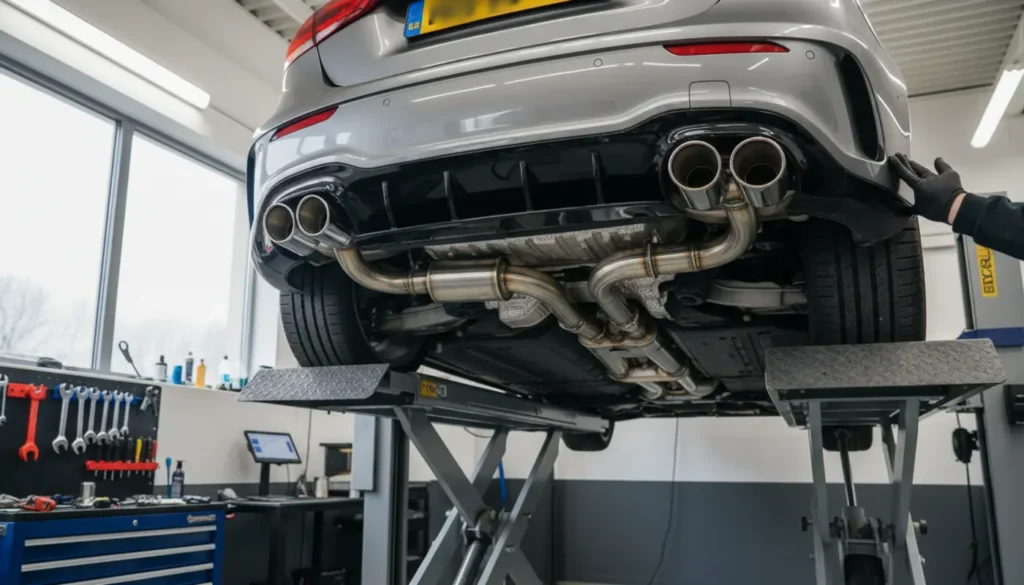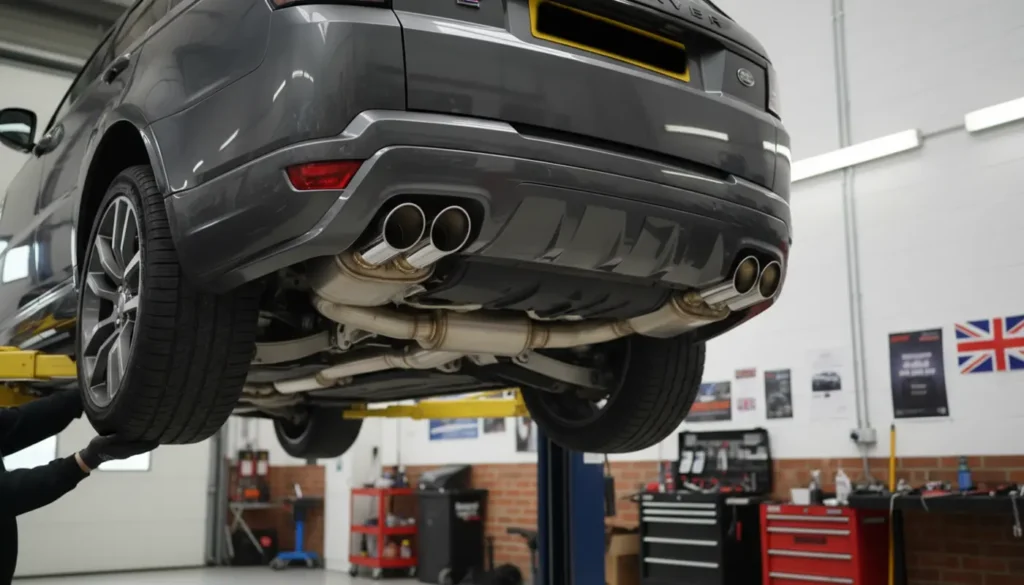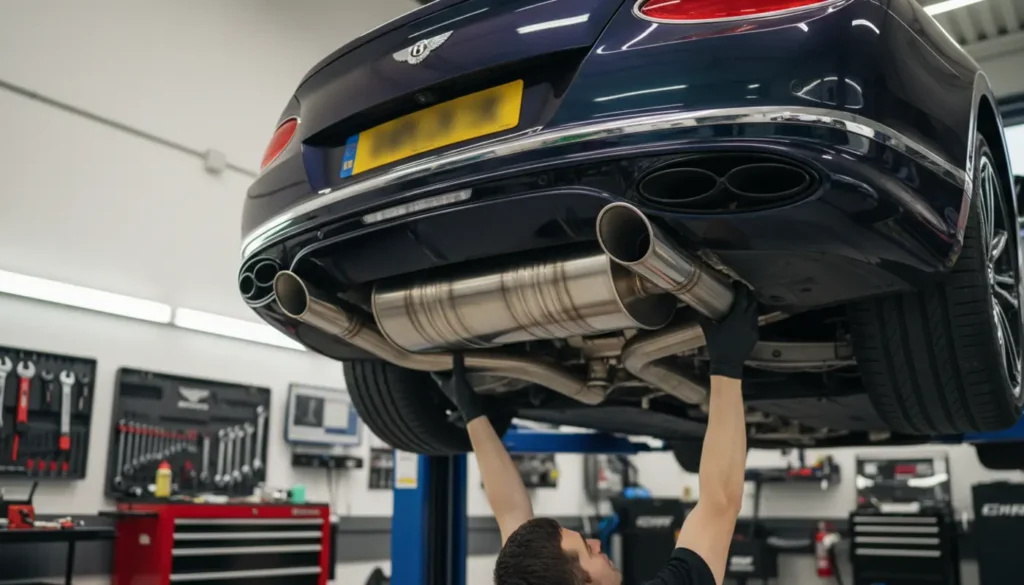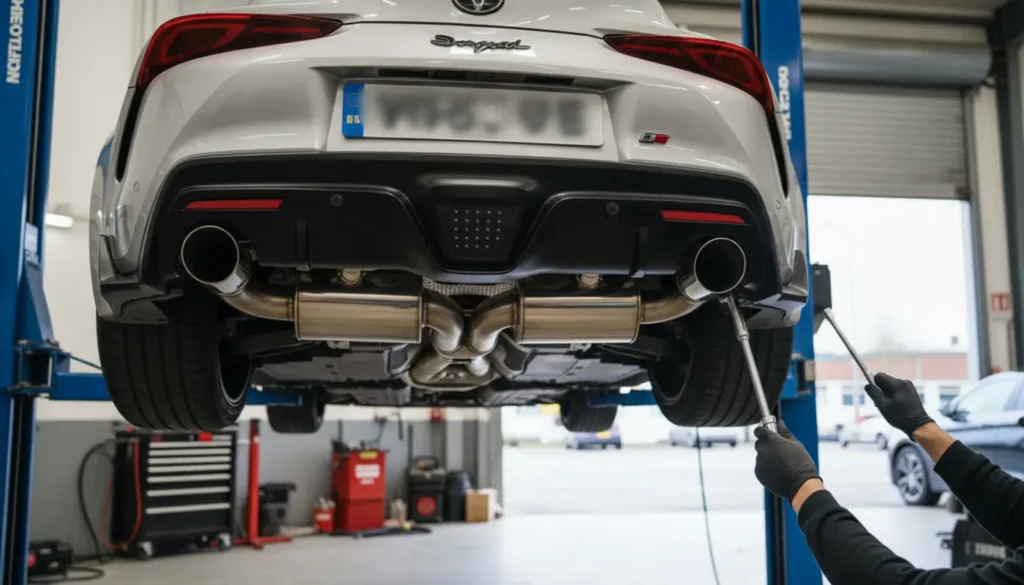
Rolls-Royce Cullinan Performance Exhaust UK – DKU Stainless System
Rolls Royce Cullinan Performance Exhaust UK
A Rolls Royce Cullinan performance exhaust UK upgrade is for owners who want a deeper V12 sound without losing the calm, polished feel that makes this luxury SUV so special. The aim is not to turn the Cullinan into a loud track car, but to give the twin turbocharged 6.75 litre V12 a richer voice, smoother flow and a more personal driving character.
For many UK owners, the appeal is simple. The standard Cullinan is beautifully quiet, but some drivers want a little more presence when the V12 starts, pulls hard, or settles into a long grand touring cruise.
DKU Performance is a Walsall based performance specialist with around two decades of hands on experience. The team is best known for bespoke stainless steel exhaust systems that are designed, fabricated and fitted in house. For a vehicle as prestigious as the Cullinan, that careful custom approach matters just as much as the final sound.
Why The Rolls Royce Cullinan Performance Exhaust Suits A Bespoke Stainless Build
The Rolls Royce Cullinan is a strong platform for a bespoke stainless exhaust because its large capacity twin turbo V12 produces huge torque with very little fuss. Rather than needing an aggressive system to feel exciting, it benefits from subtle sound tuning that adds depth, smoothness and authority without disturbing the luxury cabin experience.
Many owners want more presence on start up, but they do not want motorway drone or a tiring cabin note. That is exactly where a carefully built system matters. The wrong exhaust can take away the peaceful character that makes the Cullinan so enjoyable, while the right one can add warmth and confidence without feeling forced.
A performance exhaust on this type of engine is mainly about improving gas flow, reducing unwanted restriction and shaping the exhaust note. On a heavy luxury SUV, the aim is not to chase extreme figures or make it bark through every village. The better goal is a smoother, freer breathing system that feels natural, elegant and properly engineered.
DKU builds custom stainless steel exhausts in house, which means the system can be made to suit the vehicle rather than forcing a universal part to fit. That is especially important on a Cullinan, where underbody space, heat control, clearance, tip alignment and sound control all need careful thought.
How Exhaust Flow Affects Cullinan Performance And Response
Exhaust flow affects how easily the engine can remove spent gases after combustion. When the exhaust path is too restrictive, the engine has to work harder to push gases out, which can soften response and reduce the feeling of clean, easy power. On a twin turbo V12, smooth flow after the turbochargers can help the engine feel more relaxed and responsive under load.
Back pressure is often misunderstood. A standard car needs a carefully controlled exhaust system, but too much restriction can dull the engine's character. A well designed system keeps useful control while removing avoidable choke points, so the vehicle gains sound and flow without becoming harsh, loud or unpleasant.
If exhaust changes are part of a wider tuning plan, owners may also consider ECU remapping, which fine tunes the engine control unit to suit the way the vehicle is used. For a Cullinan, any performance related work should be smooth, responsible and tailored, because nobody buys a Rolls Royce to make every journey feel like hard work.
Sound Engineering For A Refined V12 Character
The best Cullinan exhaust sound is deep, controlled and premium in character. It should bring out the natural richness of the V12, but it should not drone at motorway speeds or boom through the cabin. The driver should enjoy it when wanted, while passengers can still relax, talk and arrive feeling fresh.
Sound depends on pipe diameter, silencer design, resonator placement, exhaust routing and tailpipe design. Larger pipework can increase volume, but bigger is not always better. If the system is too aggressive, it can lose refinement, create cabin resonance and clash with the Cullinan's grand touring personality.
Resonators are particularly important because they help tune out unwanted sound frequencies. In simple terms, they help remove the tiring hum that can appear at steady cruising speeds. The skill is in keeping the pleasing low tone while removing the noise that would make longer journeys less relaxing.
Cat Back, Secondary Cat Delete And Full System Options
Choosing the right exhaust layout depends on how much change you want and how the vehicle will be used. A cat back system is usually the most balanced option for a refined road car because it replaces pipework and silencers after the catalytic converter area. It can improve tone and flow while keeping the main emissions equipment in place.
A secondary cat delete can create a more noticeable sound increase and may make the V12 feel more vocal, but it needs careful legal and comfort consideration. It can also increase smell, volume, resonance and MOT risk depending on the vehicle setup. For a Cullinan owner who values discretion, this route should never be chosen only because it sounds dramatic in a cold start video.
A full system gives the most scope for customisation, but it also brings the most responsibility. Emissions compliance, noise, insurance, warranty considerations and MOT expectations all become more important. If you are unsure what each section does, DKU has helpful background content on cat back exhaust systems that explains the basics in plain English.
Material Choices For A Rolls Royce Cullinan Exhaust Build
Material choice affects durability, weight, corrosion resistance, sound and cost. For most UK road cars, high quality stainless steel is the sensible choice because it offers strength, long life and a clean finish. DKU's stated custom exhaust work focuses on premium T304 stainless steel, which is widely valued for corrosion resistance and suitability for fabricated exhaust systems.
T304 stainless steel is a strong all round choice for UK weather. It copes well with rain, road grime and regular use, while also producing a smooth, clean sound when designed correctly. For a luxury SUV that may cover city, motorway and countryside mileage, it is often the best balance of quality and practicality.
Some owners ask about T316 marine grade stainless steel or titanium. T316 offers enhanced corrosion resistance in harsher environments, while titanium can reduce weight and create a sharper tone. These materials should be discussed carefully against the vehicle's aims, budget and road use, because the most exotic option is not always the most suitable one.
- T304 stainless steel is a strong, proven choice for bespoke exhaust fabrication, with excellent durability and a refined tone.
- T316 stainless steel is often considered where maximum corrosion resistance is a priority, especially for long term ownership in harsher conditions.
- Titanium is lightweight and distinctive, but it is usually more costly and not always necessary for a luxury road SUV.
DKU Performance Fabrication Standards In Walsall
A bespoke Cullinan exhaust should feel as considered as the car itself. DKU Performance designs and builds custom systems in house, using T304 stainless steel, mandrel bends, custom flanges, brackets and clamps to create a made to measure fit. Mandrel bending helps keep the pipe diameter consistent through curves, which supports smoother flow and a cleaner finish.
TIG welding and neat fabrication are not only about how the exhaust looks when the vehicle is on a ramp, although tidy welds do make car people smile. Good fabrication supports strength, alignment, clearance and long term reliability. On a Cullinan, every hanger, joint and tailpipe position needs to look intentional and feel secure.
DKU's wider project history shows experience across everyday cars, performance models, prestige vehicles and large luxury SUVs. A relevant example is the Audi RSQ8 case study, which reflects the type of premium SUV exhaust work where fitment, sound and finish all need careful control.
What A White Glove Exhaust Process Should Include
A white glove exhaust process should start with a clear conversation about how the owner wants the car to feel after the work is complete. The aim may be a discreet sound, a deeper start up, more presence during stronger acceleration, or a polished rear appearance with specific tailpipes. The right system begins with those preferences, then turns them into pipework, silencer choice and fitting details that suit the vehicle.
The workshop should inspect the factory exhaust layout, heat shields, mounting points and available space before fabrication starts. From there, the system can be designed around flow, sound and safety. Once fitted, the exhaust should be checked for leaks, clearances, movement, alignment and unwanted vibration before the car leaves the workshop.
Where performance upgrades go beyond the exhaust itself, dyno and road evaluation can help confirm how the vehicle behaves in real driving. That balanced approach is important because the Cullinan is not judged only by how it sounds from outside. It is judged by how calm, powerful and composed it feels from the driver's seat.
UK MOT Compliance And Road Legality
UK exhaust upgrades must be approached responsibly. An aftermarket exhaust should not make the vehicle unreasonably louder than expected, and emissions equipment must not be removed in a way that makes the car illegal for road use. The GOV.UK MOT inspection manual includes clear MOT exhaust noise guidance. It explains that testers assess exhaust noise as part of nuisance checks, including whether the noise is unreasonably above that expected from a similar vehicle with a standard silencer.
For Cullinan owners, refinement is not only a matter of taste. It is also a legal and ownership issue. A system that is too loud may attract the wrong attention, risk MOT problems and undermine the quiet luxury that makes the vehicle so enjoyable. Sensible sound engineering is the more elegant choice.
Insurance should also be considered. Any modification should be declared to your insurer, even when it is tasteful and professionally fitted. It is a small admin job compared with the possible headache of a claim dispute later, and nobody wants paperwork to become the loudest part of an exhaust upgrade.
Why UK Cullinan Owners Choose A Bespoke DKU Stainless System
UK Cullinan owners often choose a bespoke DKU stainless system because it gives the vehicle a more individual voice while protecting the luxury character that makes it unique. The result should feel personal and polished, not loud for the sake of it.
Owners from Walsall, Birmingham, the West Midlands and across the UK choose DKU because the work is built around the vehicle and the customer. The company's background in custom stainless fabrication, performance upgrades, maintenance and customer focused service gives owners a single specialist point of contact for advice and workmanship.
DKU also offers a lifetime guarantee on custom exhaust systems, which adds reassurance when investing in a hand built system. Finance options are available on selected services too, making larger upgrade projects easier to plan. For the Cullinan, the real value is not only in more sound, but in getting the right sound, the right fit and the right level of refinement.
Frequently Asked Questions
Will A Performance Exhaust Affect My Cullinan MOT?
It can if the system is too loud, leaks, or affects emissions compliance. A properly designed road focused system should always consider MOT expectations before fabrication begins.
How Loud Should A Rolls Royce Cullinan Exhaust Be?
For most UK owners, the ideal sound is deeper and more authoritative without becoming harsh or intrusive. The aim is refined presence, not maximum volume.
Is T304 Stainless Steel Good For A Luxury SUV Exhaust?
Yes, high quality T304 stainless steel is a strong and durable choice for bespoke exhaust fabrication. It suits UK road use well when designed and fitted correctly.
Can A Cullinan Exhaust Upgrade Improve Performance?
A well designed system can improve exhaust flow and help the engine breathe more efficiently. Exact results depend on the vehicle, system design and any supporting tuning.
Should I Declare A Bespoke Exhaust To My Insurer?
Yes, you should tell your insurer about any exhaust modification. It keeps your policy accurate and helps avoid problems if you ever need to make a claim.
If you are considering a bespoke stainless steel exhaust for your Cullinan, speak with DKU Performance about the sound, finish and level of refinement you want. The right system should feel personal, polished and completely suited to the way you drive.