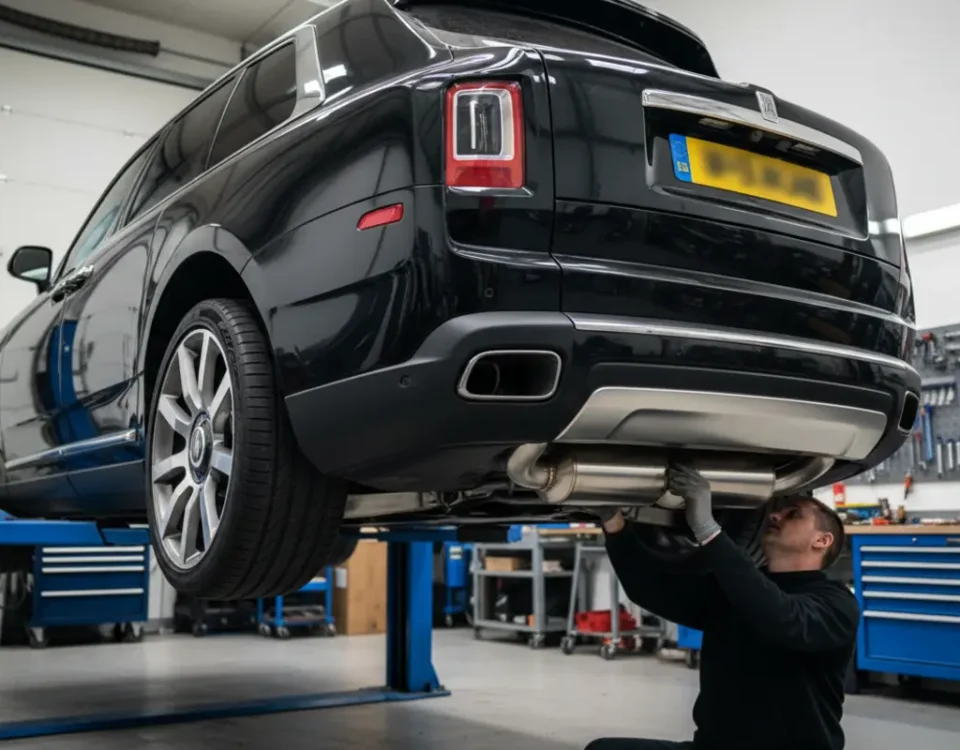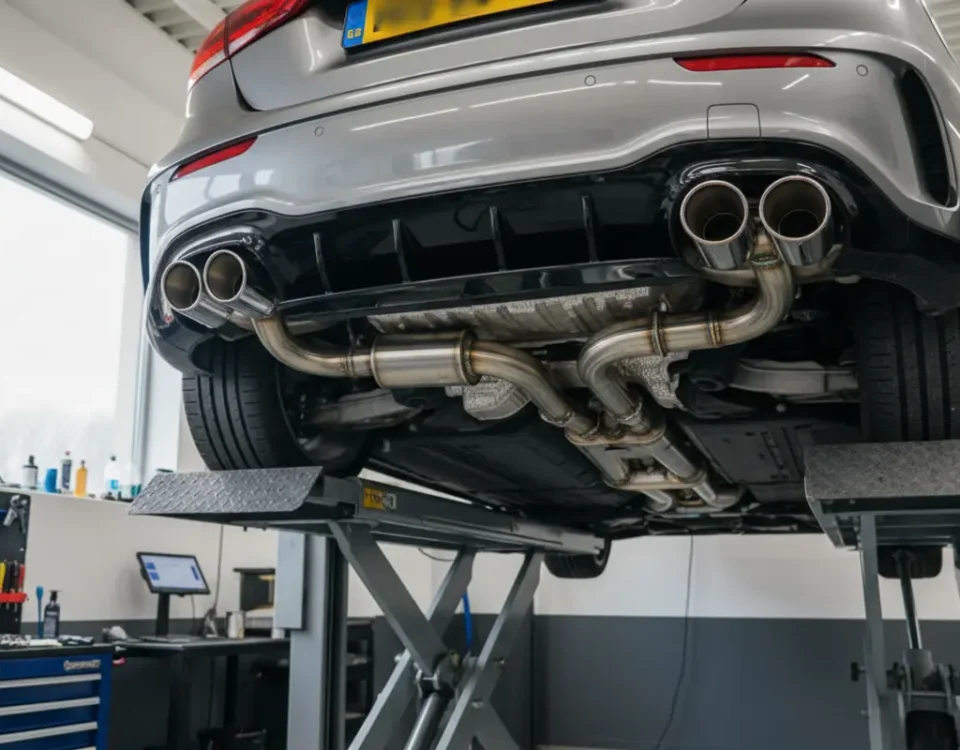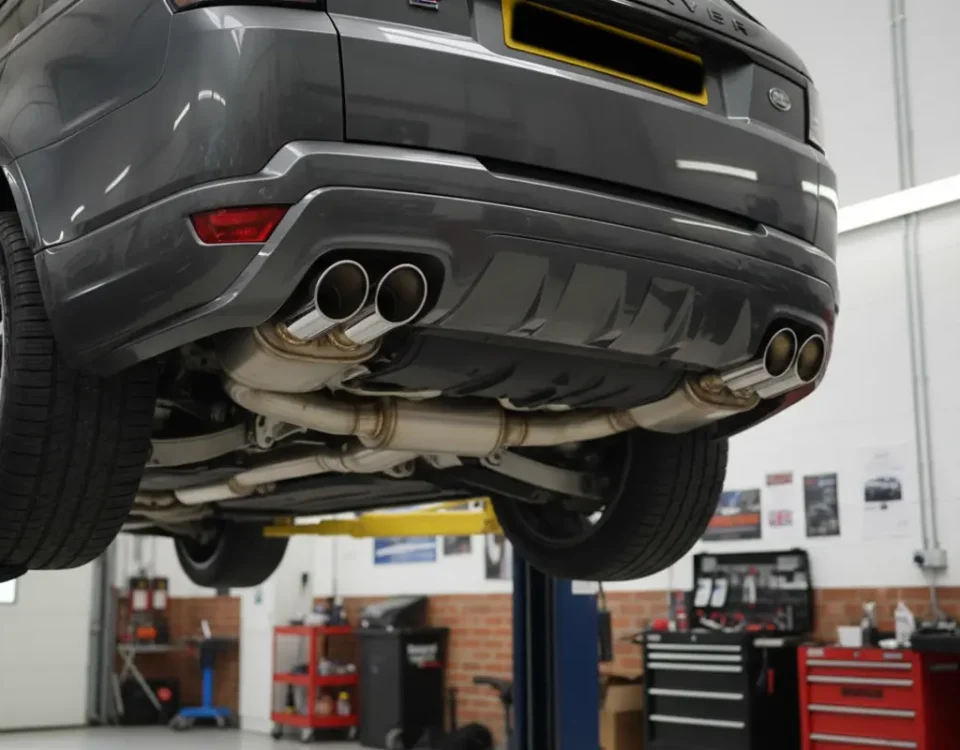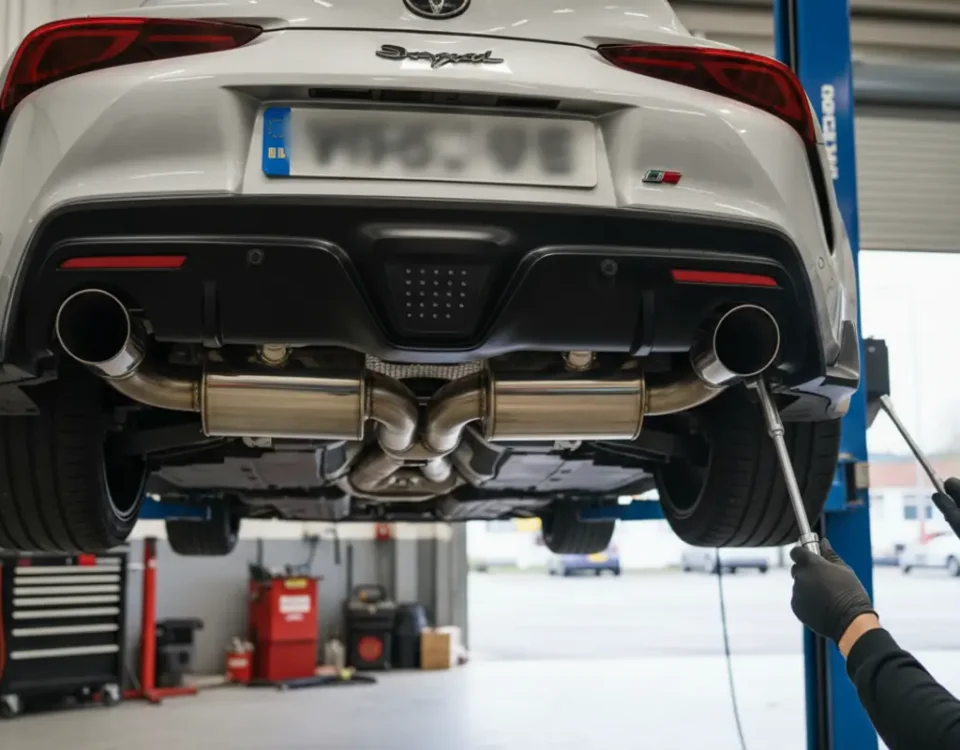
Bentley Continental GT Custom Stainless Steel Exhaust UK
What A Bentley Continental GT Custom Stainless Steel Exhaust Should Deliver
A Bentley Continental GT custom stainless steel exhaust should give the car a richer sound, sharper response and a clean hand built finish, without taking away the comfort that makes it such a strong grand tourer. The aim is not to make a Bentley loud for the sake of it. The aim is to help the W12 or V8 engine sound more special while keeping the car smooth, usable and refined on UK roads.
The Continental GT is not a normal performance car, so it should not be treated like one. A good bespoke exhaust needs careful pipework, the right silencer choice, neat fitment and honest advice on MOT rules. Nobody buys a Bentley to live with cabin drone, rattles, poor tailpipe alignment or stress at test time.
DKU Performance is a Walsall based performance specialist with around two decades of hands on experience in custom stainless steel exhaust fabrication. The team designs, builds and fits systems in house, using high quality T304 stainless steel and a customer focused approach that suits Bentley owners across the West Midlands and wider UK. The sound, finish and use of the car are discussed before fabrication starts, so the final system feels right for the vehicle and right for the owner.
Why Bentley Continental GT Owners Choose Bespoke Exhaust Builds
Many Bentley Continental GT owners choose bespoke exhaust builds because the original system can feel a little too quiet for a car with so much power and character. The factory exhaust is designed for broad global use, comfort and strict approval rules. That makes sense for Bentley, but it can leave keen drivers wanting a deeper and more personal tone.
A bespoke system gives you more control over the result. Instead of accepting a ready made part that may not suit your exact car or taste, you can choose the level of sound, the tailpipe style, the amount of silencing and the overall feel. For a car as individual as the Continental GT, that level of choice matters.
It is not just about volume, because almost any exhaust can be made loud with the wrong approach. The skill is in creating a sound that feels expensive, smooth and purposeful. A Bentley should sound confident rather than forced, with a tone that suits the car's luxury character.
DKU's custom stainless steel exhaust systems are built around the vehicle and the owner's requirements, rather than forced into place from a catalogue. That is especially important on a Bentley, where underbody space, heat control, ground clearance and rear bumper alignment all need proper care.
The W12 And V8 Engines Suit A Custom Stainless Steel Exhaust
The Bentley Continental GT is a strong platform for an exhaust upgrade because both its W12 and V8 engines already have a rich base sound. The W12 suits a deep, smooth and powerful note, while the V8 has a more muscular pulse that can be brought forward without making the car feel rough or tiring.
Turbocharged engines can also benefit from better exhaust flow when the system is designed correctly. Exhaust gases need to leave the engine cleanly, and a restrictive system can make the engine work harder than needed. A better flowing exhaust can support sharper throttle response and stronger mid range pull, although honest builders should not promise fixed power gains because results depend on the car, the design and any supporting tuning.
For owners thinking about software alongside hardware, DKU also offers ECU remapping, where the engine control unit is carefully adjusted and tested. On a performance car, the best results usually come from treating the vehicle as a complete package rather than fitting parts on their own and hoping the electronics adapt perfectly.
How Exhaust Flow Affects Continental GT Performance
Exhaust flow means how easily used gases move away from the engine. When flow is smoother, the engine can breathe more freely, which may improve response and help the car feel less restricted. On a heavy and powerful grand tourer like the Continental GT, the difference is often less about chasing huge numbers and more about cleaner acceleration, sharper delivery and a more connected drive.
Back pressure is another phrase often used when talking about exhausts. In simple terms, it means resistance in the exhaust system. Less restriction can help, but removing too much structure from the system is not always the answer. A well designed performance exhaust reduces unwanted restriction while keeping gas speed, sound quality and drivability in balance.
If the pipework is too large, too straight or poorly silenced, the result can be noise rather than refinement. That may suit a track car, but it rarely suits a Bentley used for long journeys, motorway cruising and relaxed everyday driving.
Sound Engineering For A Luxury Grand Tourer
A Bentley exhaust should sound confident, not desperate for attention. Most owners want a deep idle, a fuller tone under load and a more exciting sound when the throttle opens, while keeping the car calm on the motorway. That balance is what separates a properly engineered exhaust from simple loud pipework.
Pipe diameter, silencer design, resonator choice and tailpipe layout all affect tone. A W12 often benefits from smooth low frequency depth, while a V8 can take on a stronger burble if the system is tuned that way. The right setup depends on the model, engine, driving style and the owner's sound preference.
Resonators help control unwanted frequencies, especially the low cabin boom known as drone. This matters because the Continental GT is built for distance driving. A system that sounds exciting for five minutes but becomes tiring on a long journey is not a good match for the car.
Silencers also play a major role in sound quality. They reduce and shape exhaust noise so the car sounds controlled rather than harsh. If you want to understand the basics, DKU has a helpful explainer on how silencers work. In a bespoke Bentley build, the silencer choice is not a small detail. It is one of the biggest decisions in the final character of the car.
Material Choices For A Continental GT Exhaust
For most UK Bentley Continental GT owners, T304 stainless steel is the sensible premium choice. It has strong resistance to corrosion, handles heat cycles well and gives the clean finish expected on a high value vehicle. DKU uses high quality T304 stainless steel for its custom systems, which makes sense for British roads where rain, grit and winter salt are part of normal ownership.
T316 marine grade stainless steel is sometimes discussed because it offers extra corrosion resistance in harsh environments, especially near the coast. It can be useful in some cases, but it is usually more expensive and not always needed for every road car.
Titanium is another high end option known for lower weight and a distinct sound, but it is more complex and costly to fabricate. For DKU's confirmed in house custom exhaust work, T304 stainless steel is the core material, and it is the right benchmark for a durable road going Bentley system.
The best material choice depends on how the car is used. A weekend GT stored in a dry garage has different needs from a daily driven Bentley that sees wet roads, winter salt and regular motorway miles. A good fabricator will talk through use, budget, sound goals and finish before recommending the final specification.
Cat Back, Secondary Cat Changes And Turbo Back Options
Continental GT owners often hear terms such as cat back, secondary cat change and turbo back, but the legal and practical differences are important. A cat back exhaust changes the system from the catalytic converter area backwards and usually keeps the factory emissions equipment in place. For many UK road cars, this is the most sensible route because it can improve sound and flow while avoiding unnecessary emissions issues.
A secondary cat change needs more caution because catalytic converters are fitted to help control emissions. A full turbo back system changes more of the exhaust closer to the turbochargers, so it can raise more questions around heat, emissions, noise and tuning. These options can be suitable in some performance settings, but they need careful planning and clear advice.
Removing required emissions equipment can create MOT and road legality problems. That is why the right advice matters before anything is cut, welded or ordered. If you are comparing options, DKU's guidance on cat back exhaust systems is a helpful starting point. For most Bentley owners who want a road friendly upgrade, a carefully silenced cat back design is often the most balanced choice.
UK MOT Compliance And Road Legality
UK road legality should be part of the exhaust design from day one. The MOT inspection manual says exhaust noise should not be unreasonably above the level expected from a similar vehicle with a standard silencer, and testers use judgement when assessing excessive noise. You can read the official wording in the official MOT inspection guidance.
DVSA expectations follow the same practical principle. A modified exhaust should be secure, leak free, properly silenced and suitable for road use. It should not create excessive noise, and it should not remove required emissions equipment. For a Bentley Continental GT, that means the goal should be tasteful performance sound rather than anti social volume.
The system should be correctly mounted, with working silencers and emissions equipment where required. Brackets, clamps and hangers need to be secure and positioned properly, because even a good sounding exhaust can become a problem if it knocks, leaks or sits badly under the car.
Insurance also matters because an exhaust upgrade is a modification and should be declared. It is not the most exciting part of the job, but it is far better than having an awkward conversation after a claim. Tell your insurer before driving the car on public roads, keep paperwork where possible and make sure the final setup suits road use.
How DKU Performance Builds A Bespoke Continental GT Exhaust
DKU Performance builds custom stainless steel exhausts in house, which gives the team full control over design, fabrication and fitment. The process begins with understanding what the owner wants from the car. Some drivers want a subtle grand touring tone, some want a stronger start up sound, and some want a more dramatic note when the throttle opens.
The key is matching the build to the driver and the vehicle, rather than copying the last car that came through the workshop. A Bentley deserves a careful approach because the sound, comfort and finish all matter. A system that works well on a different performance car may not suit the character of a Continental GT.
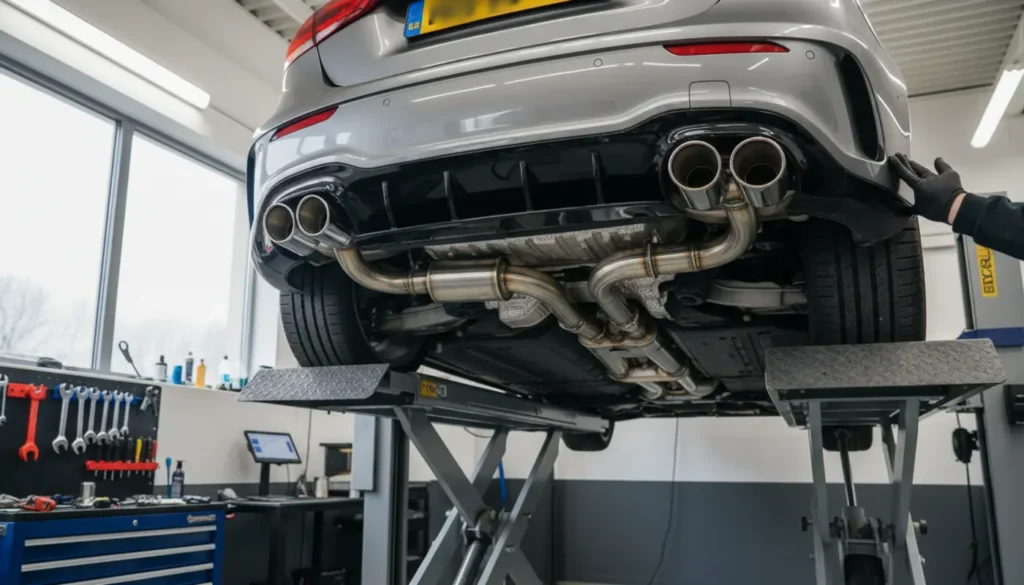
The fabrication stage uses T304 stainless steel pipework and mandrel bends. Mandrel bending keeps the pipe diameter consistent through curves, which helps flow and keeps the finished system neat. DKU can build with tubing sizes from 1 inch up to 5 inch, allowing the system to be designed around the vehicle and the performance goal.
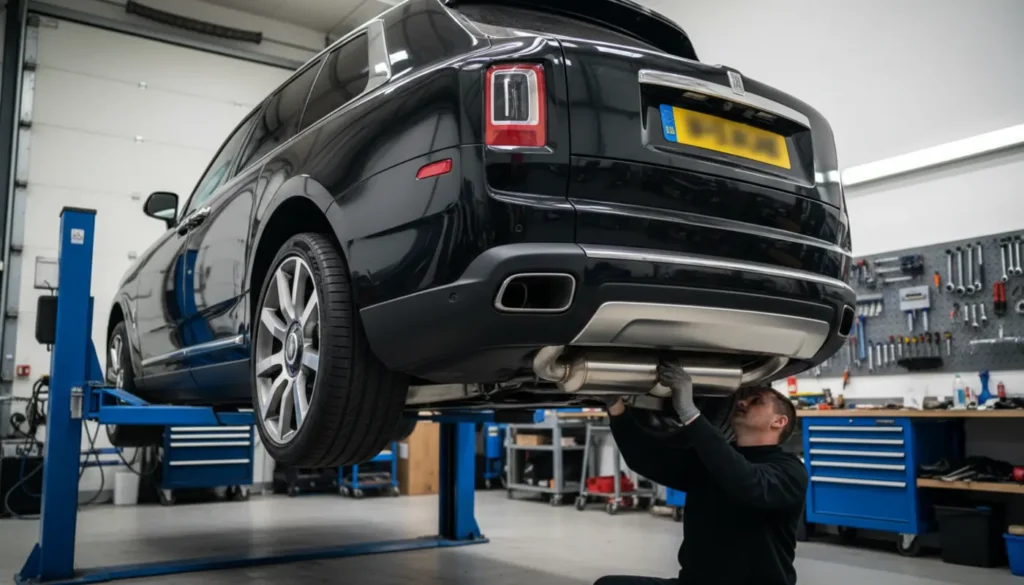
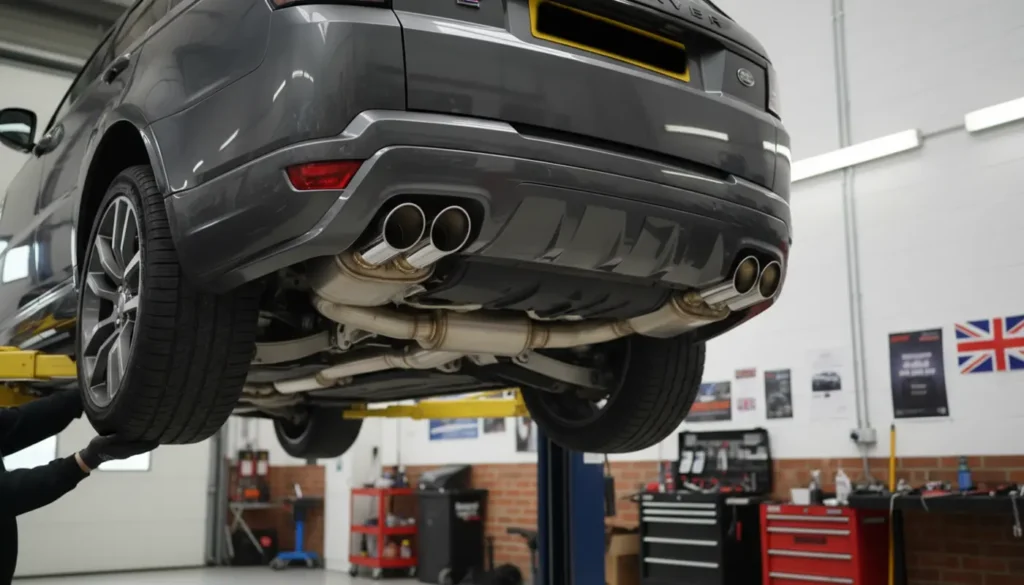
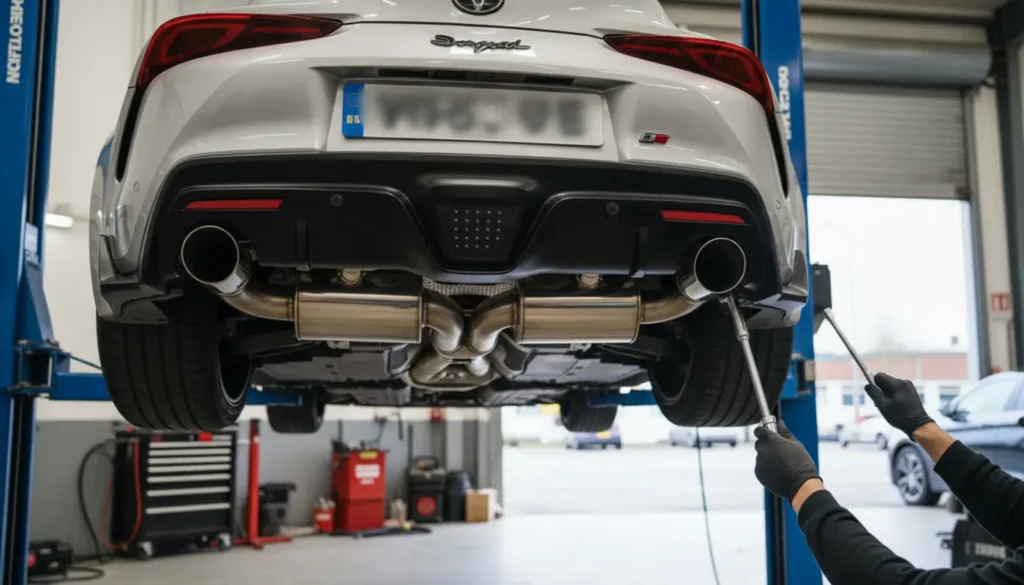
Custom flanges, brackets and clamps help the exhaust sit correctly, stay secure and maintain a clean finish underneath the car. Fitment is especially important on a Bentley. Tailpipes need to sit evenly, clearances need to be checked and the system must not knock against the body or suspension. DKU's portfolio includes Bentley GT work, showing experience with the marque and the level of care prestige vehicle owners expect.
Dyno Testing, Quality Checks And Long Term Value
A quality exhaust build should be checked properly once fitted. That means looking for leaks, checking clearances, confirming the mounts are secure and making sure the sound matches the agreed brief. These checks protect both the performance of the system and the comfort of the car.
DKU uses dyno and real world testing in its wider performance work. Dyno testing can be discussed when an exhaust upgrade is part of ECU remapping or a broader performance package, especially where the owner wants measured before and after data. It can help show how the car responds when hardware and software are planned together.
Long term value comes from doing the job once and doing it properly. A cheap system may look tempting at first, but poor alignment, weak materials, drone, rattles or early corrosion can make it more expensive in the long run. On a car like the Continental GT, the exhaust should match the quality of the vehicle.
With a custom stainless steel system, you are investing in sound, durability, appearance and ownership enjoyment. DKU also offers a lifetime guarantee on its custom exhaust systems, giving owners extra confidence when commissioning bespoke work.
Why Walsall, Birmingham And UK Bentley Owners Choose DKU
Bentley Continental GT owners across Walsall, Birmingham, the wider West Midlands and the UK choose DKU because the work is personal, practical and built by people who understand performance cars. The company grew from a genuine passion for high performance vehicles, with around two decades of hands on experience behind its custom stainless steel exhaust fabrication.
That background matters when working on a luxury grand tourer. The Continental GT needs craftsmanship, restraint and technical understanding in equal measure. A great bespoke exhaust should make the car feel more alive without spoiling what made it special in the first place.
When the balance is right, every start up, overtake and tunnel run feels more special, while the car still behaves like a Bentley on the long drive home. If you are planning a Bentley Continental GT exhaust upgrade, speak with DKU about your preferred tone, material choice and road legal setup.
Frequently Asked Questions
Is A Custom Stainless Steel Exhaust Worth It On A Bentley Continental GT?
Yes, if you want a more personal sound, improved exhaust flow and a durable hand built system. The best results come from a bespoke design that protects the car's luxury feel while adding more character.
Will A Custom Exhaust Make My Continental GT Too Loud?
Not if it is designed properly. Silencer choice, resonators and pipework layout can create a deeper sound while controlling drone and unnecessary volume.
Is A Cat Back Exhaust Legal In The UK?
A cat back system can be road friendly when it retains required emissions equipment and is not unreasonably louder than a comparable standard vehicle. The final design still needs sensible noise control and secure fitment.
Does DKU Performance Use Titanium For Bentley Exhausts?
DKU's confirmed custom exhaust work is based around high quality T304 stainless steel. If you have a special material request, it is best to speak directly with the team before planning the build.
Should I Declare A Bentley Exhaust Upgrade To My Insurer?
Yes, an aftermarket exhaust is a modification and should be declared to your insurer. It is a simple step that helps avoid problems later.