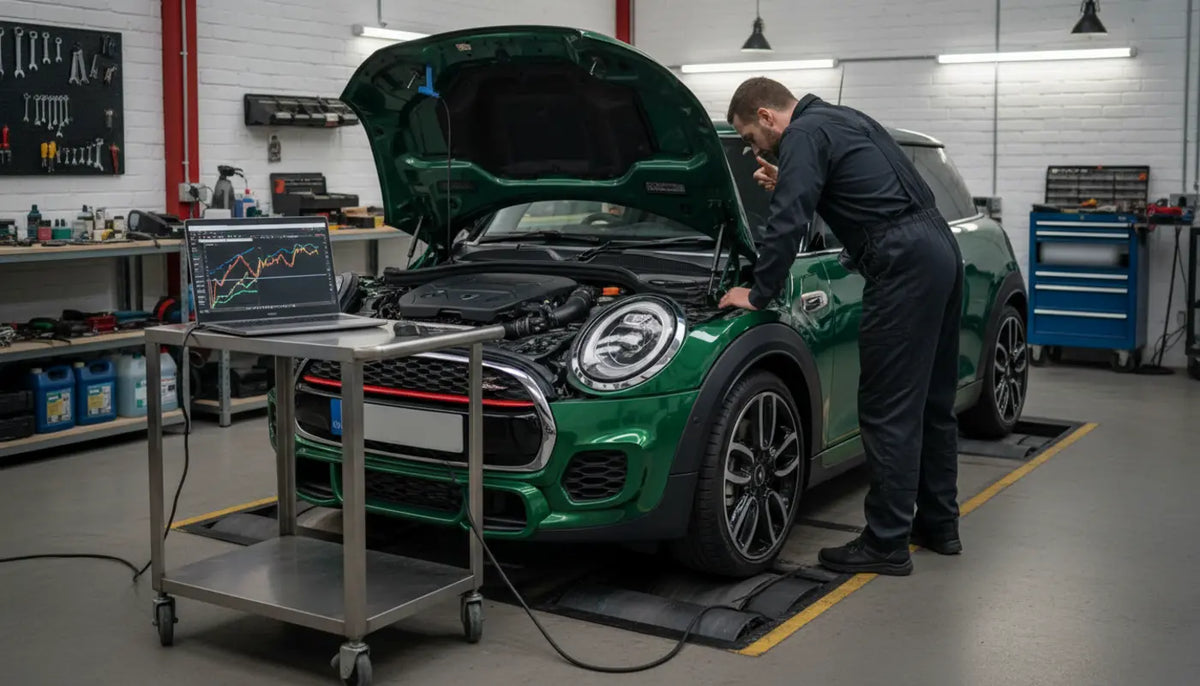
What A Mini Cooper S B46 Stage 1 ECU Remap UK Owners Can Expect
A Mini Cooper S B46 Stage 1 ECU remap can improve throttle response, increase mid range pull, and make the car feel stronger in everyday driving without needing major hardware changes. For many UK owners, it is one of the most balanced upgrades because it works with the standard turbocharged engine, as long as the vehicle is healthy, correctly identified, and tuned within sensible limits.
The key point is that not every Cooper S described online as B46 is exactly the same. Engine code, model year, gearbox, ECU software, market specification, and factory power can vary. A responsible tuner should confirm the registration, VIN, engine code, and current software before quoting results, rather than relying on a single figure from a forum or social post.
DKU Performance is a Walsall based automotive performance specialist with around two decades of hands on experience across performance vehicles, ECU remapping, custom stainless steel exhaust systems, carbon cleaning, and vehicle upgrades. For Mini Cooper S owners across Walsall, Birmingham, Wolverhampton, and the wider West Midlands, the aim is simple. Tune the car properly, test it properly, and keep the process clear from the first conversation.
What Is The Mini Cooper S B46 Engine?
The Mini Cooper S B46 engine is commonly known as a 2.0 litre turbocharged four cylinder petrol engine, closely related to other BMW and MINI modular engine variants. In UK Cooper S models, official outputs have varied by year and specification. Many examples sit around 178 to 192 hp with around 280 Nm from the factory, while some later Cooper S versions may be listed differently.
This is why one generic power figure should not be treated as fact for every car. The same badge can sit on cars with different software, build years, gearboxes, and emissions setups. Before any tuning work is planned, the exact vehicle details should be checked so the calibration matches the car in front of the tuner.
The reason this engine family responds well to a Stage 1 remap is its turbocharged layout. A turbocharger pushes more air into the engine, while the ECU manages fuel delivery, boost pressure, ignition timing, throttle behaviour, and torque limits. When these areas are adjusted carefully, the car can make stronger use of its standard hardware without becoming harsh or difficult to drive.
If you are comparing tuning options, it is worth starting with a professional ECU remapping assessment rather than guessing from figures online. A Cooper S with a strong service history, healthy ignition parts, good oil, and the right fuel will usually be a better tuning candidate than one with hidden faults, tired spark plugs, or a clutch already close to slipping.
Why A Mini Cooper S B46 Stage 1 ECU Remap Works Well
A Mini Cooper S B46 Stage 1 ECU remap works by changing the software that controls how the engine responds on standard hardware. The ECU is the main control unit for the engine, and a remap adjusts the instructions it follows. On a turbocharged petrol engine, careful changes to boost request, fuelling, ignition timing, and torque control can make a clear difference to acceleration and drivability.
For UK drivers, the biggest real world benefit is often not just the peak power figure. It is the stronger pull when joining a motorway, easier overtaking from 30 to 70 mph, and a more alert feel when leaving a roundabout or climbing a hill. If you want sharper daily driving response rather than chasing the biggest possible dyno number, Stage 1 is often the most sensible starting point.
Stage 1 also suits owners who want more performance without immediately fitting an intercooler, intake, downpipe, or larger turbo. DKU Performance can also advise on wider Mini Cooper S tuning upgrades if you plan to develop the car further, but the first step should always be checking what the vehicle actually needs.
Realistic Power Torque And 0 To 62 Mph Expectations
Realistic Mini Cooper S B46 Stage 1 remap gains should be treated as a tested range rather than a fixed promise. As a careful example, a healthy Cooper S that starts around 178 to 192 hp and about 280 Nm may often finish in the region of 220 to 240 hp and around 330 to 380 Nm after a suitable Stage 1 calibration. The final result depends on baseline output, fuel quality, gearbox type, tyre condition, air temperature, dyno method, and whether the car is already performing as it should.
A professional tuner should separate manufacturer crank figures from chassis dyno wheel figures because they are not the same measurement. The most useful before and after comparison is measured on the same rolling road, ideally on the same day, with standard and tuned runs shown together. That helps you see the peak gain and, just as importantly, how the torque curve has changed through the rev range.
0 to 62 mph improvements can happen, but they vary more than many owners expect. Depending on the exact Cooper S model, factory times may sit around the high 6 second to low 7 second area. A Stage 1 remap may improve that by a few tenths when traction, tyres, road surface, gearbox, and driver input all work well together. A remap can give the engine more urge, but it cannot stop cold tyres spinning on a damp British morning. Sadly, even a very good laptop cannot rewrite the weather.
What Is Included In A Stage 1 Remap?
A proper Stage 1 remap for a Mini Cooper S B46 is more than raising boost and hoping for the best. Boost pressure optimisation means setting sensible targets, controlling how boost arrives, and making sure it reduces where needed to manage heat. The aim is strong, repeatable performance, not one impressive pull followed by rising temperatures and a frustrated ECU.
Fuelling calibration adjusts how much fuel is delivered when the engine is under load. Ignition timing controls when combustion is triggered. These changes must work with the fuel the owner will actually use. If a calibration is written for premium unleaded, it should not be treated as though every fuel will behave the same. Knock control, intake air temperature, and lambda readings all help show whether the tune is running happily.
Throttle and torque response are also important. A sharper pedal can make the car feel livelier, but genuine output gains come from the engine producing more torque safely. A well judged map keeps the Cooper S smooth in traffic, steady in wet conditions, and lively when you ask for more, rather than making it feel nervous or snatchy.
DKU Performance Remap Process In Walsall
DKU Performance's process starts with vehicle identification and a clear conversation about how you use the car. The team checks the registration, model year, engine code, gearbox, current modifications, and tuning goals before moving towards the calibration. This matters because a commuter Mini, a weekend road car, and a car being prepared for Stage 2 all need slightly different thinking.
Next comes diagnostic checking and baseline assessment. Stored or pending fault codes, ignition health, service history, boost leaks, coolant condition, oil level, clutch behaviour, and gearbox response should all be considered before adding torque. If the car has symptoms before tuning, a remap usually makes those symptoms easier to find, not magically disappear.
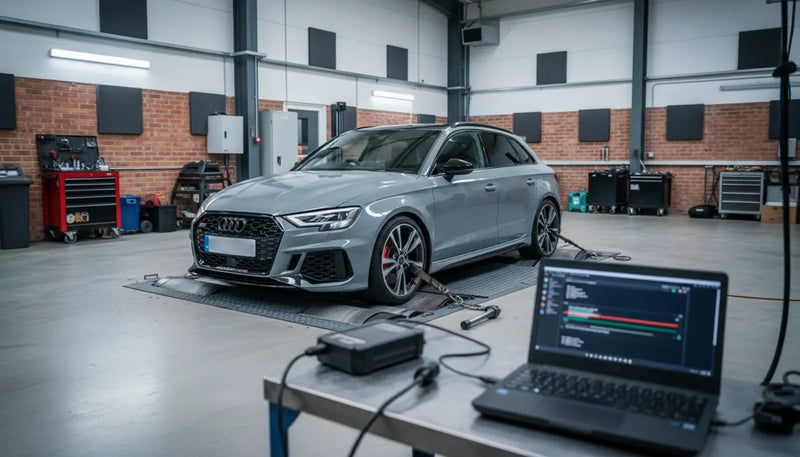
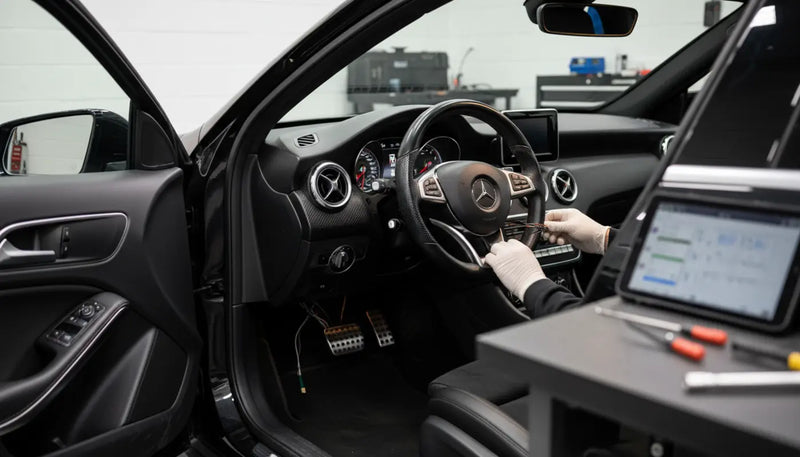
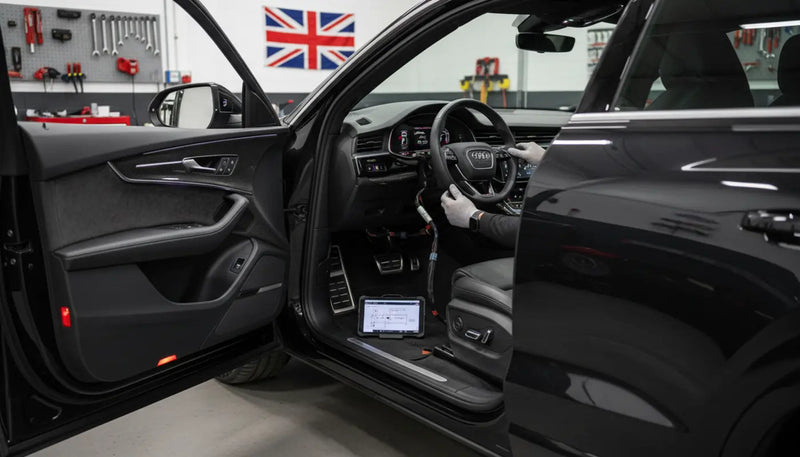
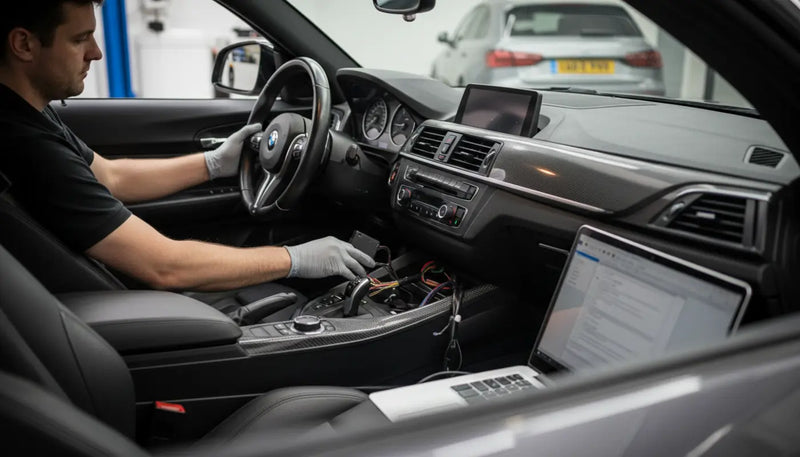
Where supported, the ECU file can be read and written through the OBD port, which is the diagnostic connection inside the car. DKU Performance uses modern OBD equipment for in house ECU work, with dyno and road validation forming part of a responsible tuning approach. OBD flashing is a programming method, not a guarantee that a file is custom or safe, so the quality of the calibration and testing is what really matters.
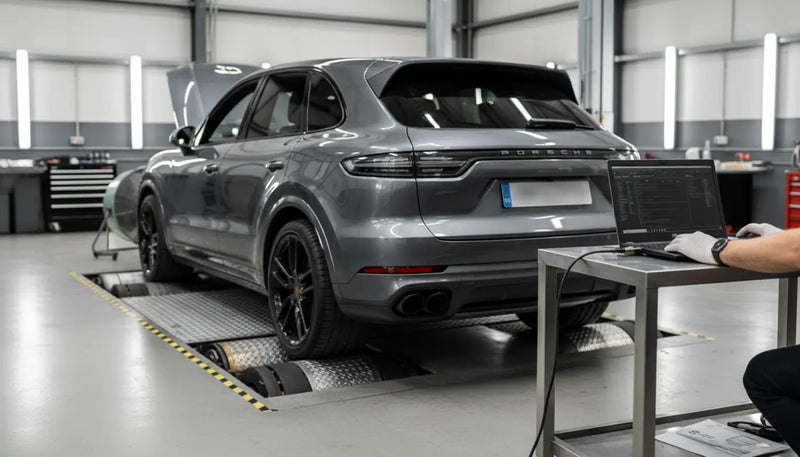
Live dyno calibration and data logging help confirm requested boost against actual boost, fuelling, ignition correction, intake temperatures, and torque delivery. DKU Performance's wider project experience can also be seen through its Mini Cooper S project work, which shows the workshop's familiarity with Mini performance beyond one single platform.
Stage 1 Versus Stage 2 For The Mini Cooper S
Stage 1 is usually aimed at a standard or lightly modified car, using careful software calibration to improve performance within factory hardware limits. Stage 2 is a wider tuning step that normally involves supporting hardware, such as improved cooling, intake, or exhaust changes, and a calibration written to suit those parts. It is not simply Stage 1 with extra boost added.
Owners considering Stage 2 should think about heat, airflow, clutch capacity, gearbox torque limits, tyres, brakes, and insurance before chasing a bigger number. If the car is used every day, Stage 1 may be the more balanced choice because it can deliver a strong improvement while keeping cost and complexity lower.
Before booking any remap, useful checks include:
- Confirm the registration, VIN, engine code, and ECU software version.
- Check spark plugs, ignition coils, oil level, coolant condition, and service history.
- Scan for fault codes and investigate boost leaks, misfires, or warning lights.
- Check clutch slip on manual cars and gearbox behaviour on automatic cars.
- Use the fuel grade recommended for the calibration and keep clear records.
Custom Remap Versus Tuning Box Versus JCW Upgrade
A custom ECU remap adjusts the control strategy inside the ECU, so the tuner can work with boost, fuelling, timing, torque limits, and drivability in a joined up way. A plug in tuning box usually changes selected sensor signals outside the ECU. It can be simple and removable, but it may not offer the same depth of control or vehicle specific refinement.
A JCW model or factory performance package is a manufacturer developed route with strong integration, but it is not the same decision as tuning the Cooper S you already own. Some owners want the factory package, while others prefer improving their existing car with a custom calibration and proper supporting checks. If you are weighing up the options, DKU Performance can explain the difference in plain English.
Insurance Warranty And Legal Points For UK Owners
In the UK, an ECU remap is a performance modification and should be declared to your insurer. The Financial Ombudsman Service guidance identifies ECU remapping as a vehicle modification and explains why failing to disclose modifications can affect cover. Tell your insurer before driving after the work where possible, and ask for written confirmation.
Warranty is also worth handling calmly. A remap does not automatically mean every part of a vehicle has no cover, but a dealer or warranty provider may investigate whether a modification caused or contributed to a failure. If the car is on finance, PCP, or a lease, check the terms before tuning. Dealer software updates can also overwrite an aftermarket calibration, so keep records and arrange a post service check if needed.
Road legality and emissions equipment still matter. DKU Performance's responsible position is that using an illegally modified vehicle on public roads is an offence, so a Stage 1 remap should not be treated as permission to remove or defeat emissions systems.
Why West Midlands Mini Owners Choose DKU Performance
Mini Cooper S owners from Walsall, Birmingham, Wolverhampton, and the wider West Midlands choose DKU Performance because local access makes the process easier. You can discuss the car in person, have its condition checked, review tuning goals, and arrange follow up support without dealing with a faceless file service. That local workshop relationship matters when you care about the car.
DKU Performance combines ECU remapping with wider performance knowledge, including in house custom stainless steel exhaust fabrication, carbon cleaning, DPF cleaning where relevant, and vehicle security systems. The team's background in high performance cars and customer focused service helps owners get sensible advice rather than exaggerated promises. 0% APR finance is also available on purchases, which can help spread the cost of selected work.
Thinking about a Mini Cooper S B46 Stage 1 ECU remap in the UK? Contact DKU Performance in Walsall with your registration, model year, gearbox, engine code if known, current modifications, and what you want the car to feel like. From there, the team can advise whether your Mini is suitable, what checks are needed, and what results are realistic after proper testing.
Frequently Asked Questions
How Much Power Can A Mini Cooper S Stage 1 Remap Add?
There is no single guaranteed figure because results depend on the exact engine variant, baseline health, fuel, gearbox, and calibration. As a cautious guide, many healthy examples may move from around 178 to 192 hp to roughly 220 to 240 hp, with torque often rising from about 280 Nm to around 330 to 380 Nm. A proper before and after dyno test is the best way to confirm the gain on your car.
Is Stage 1 Safe On Standard Hardware?
Stage 1 can be suitable for standard hardware when the car is healthy and the calibration respects boost, temperature, fuelling, and torque limits. Pre tune diagnostics are strongly recommended because they help spot weak parts before extra torque is added.
Do I Need Premium Fuel After A Remap?
It depends on how the calibration is written. If the map is designed for premium unleaded, you should use the specified fuel consistently so the engine can run as intended.
Will A Remap Affect My Insurance?
Yes, it should be declared as a modification. Always contact your insurer before driving the car after tuning, and keep written confirmation for your records.
Can A Dealer Update Remove The Remap?
Yes, dealer software updates can overwrite an aftermarket calibration. Keep your documentation and arrange a check after dealer programming work if needed.