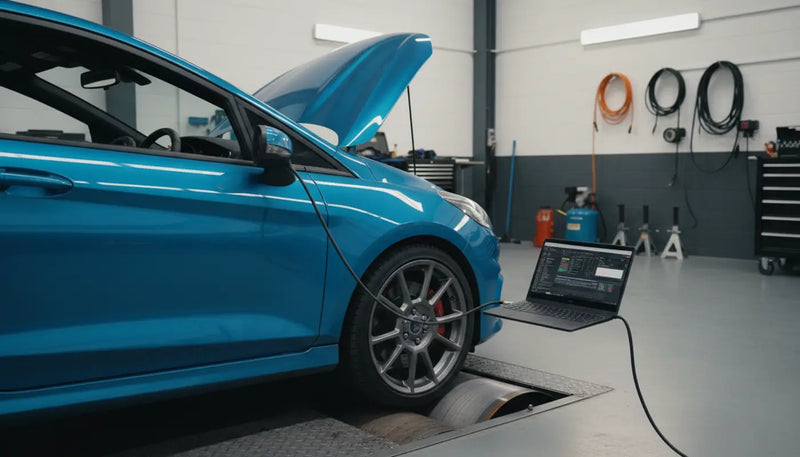
Porsche Cayenne 3.0 V6 Stage 1 ECU Remap Power Gains In The UK
A Porsche Cayenne 3.0 V6 Stage 1 ECU remap in the UK can unlock stronger torque, sharper throttle response and better real world performance from a capable luxury SUV, usually without needing hardware upgrades. For many owners, the main benefit is not just a higher peak power figure, but a Cayenne that feels more alert when overtaking, joining motorways or carrying passengers.
If you want your Cayenne to feel sharper while keeping its comfort, space and Porsche refinement, a Stage 1 remap is often the most sensible starting point. It works by adjusting the engine control software so the 3.0 V6 uses its available power more effectively in normal driving conditions.
Every Cayenne should still be treated as its own vehicle. Model year, engine version, ECU software, fuel quality, mileage, servicing and dyno conditions can all affect the final result, so headline figures should be seen as realistic targets rather than fixed promises.
DKU Performance is a West Midlands performance specialist with hands on experience in ECU remapping, custom stainless steel exhaust systems, carbon cleaning and vehicle upgrades. If you want to see the wider services available before booking, the DKU Performance website is a useful place to start. The aim is to tune your Cayenne properly, not simply chase a number that looks good on paper but feels wrong on the road.
Why UK Owners Choose A Porsche Cayenne 3.0 V6 Stage 1 ECU Remap
UK owners choose a Porsche Cayenne 3.0 V6 Stage 1 ECU remap because it can improve mid range torque, throttle response and everyday drivability while keeping the standard hardware in place. The Cayenne is quick enough in standard form, but its size and weight mean many drivers want a stronger response in the rev range used most on UK roads.
That is where your Cayenne can feel more effortless, more responsive and less hesitant when you ask it to move with purpose. For owners in Walsall, Birmingham and across the wider West Midlands, the goal is often not to turn the Cayenne into a track car. It is usually about making a premium SUV feel more flexible on A roads, motorway slip roads and long family journeys.
When done correctly, ECU remapping can refine throttle response, torque delivery and overall drivability while keeping the standard engine parts in place. It should make the vehicle feel more confident, not harsh or difficult to drive in traffic.
It is also worth noting that not every Cayenne 3.0 V6 is the same. Depending on the generation and exact model, factory power and torque can vary, and some owners may be referring to petrol, diesel or hybrid related versions. A proper tuner will want your registration, model year, engine code and current vehicle condition before quoting realistic gains.
What Is A Stage 1 ECU Remap On A Porsche Cayenne 3.0 V6?
A Stage 1 ECU remap is a software tune for a vehicle that keeps its standard mechanical hardware. The ECU is the engine control unit, often described as the brain of the engine. It manages fuel delivery, ignition timing, boost control, throttle response and other important limits that help the engine run safely.
Remapping means adjusting that software so the engine can deliver improved performance within sensible limits. In simple terms, it helps the engine use what it already has more effectively.
On a turbocharged Porsche Cayenne 3.0 V6, a Stage 1 tune normally focuses on improving torque request, boost pressure, fuelling and ignition timing. Torque request is the way the car asks the engine for pulling power when you press the accelerator. Put simply, the remap helps the engine use the air, fuel and turbo boost available to it in a more controlled way.
It should not mean simply increasing boost and hoping for the best, because hope is not a tuning strategy, even if it does sound cheaper at first.
A responsible Stage 1 remap should also keep protection systems in place. These systems help the engine respond to knock, heat, fuel quality and load. Good calibration is about balance, so your Cayenne feels stronger without making the engine, turbocharger or gearbox work outside sensible limits.
Boost Pressure, Fuelling And Ignition Timing Explained
Boost pressure is the extra air pushed into the engine by the turbocharger. A remap can adjust how boost is requested and controlled, but actual boost must be checked against the target boost. If the turbo cannot meet the request cleanly, or if intake temperatures rise too far, the calibration needs to respect that.
Fuelling is about delivering the right amount of fuel for the air entering the engine. Too little fuel under load can increase heat and risk, while poor calibration can make the vehicle feel rough, flat or inconsistent.
Ignition timing controls when the spark happens in the combustion cycle. Ignition correction is the ECU making small timing changes to help protect the engine if conditions change. It has to be matched carefully to fuel quality, temperature and knock feedback.
Throttle response is another key area. A Cayenne can feel much sharper when pedal input and torque delivery are refined, but a good map should still feel smooth in traffic. Nobody wants a luxury SUV that behaves like it has had three coffees and forgotten it weighs over two tonnes.
Realistic Porsche Cayenne 3.0 V6 Stage 1 Power Gains
Realistic Porsche Cayenne 3.0 V6 Stage 1 power gains depend on the exact factory output of your vehicle. Some versions of the 3.0 V6 Cayenne are commonly seen around the mid 300 horsepower area, while later versions can have different factory figures. Because these numbers vary by generation and market, the only honest starting point is to identify the exact model before discussing before and after figures.
As a cautious guide, a healthy turbocharged 3.0 V6 petrol Cayenne may see around 30 to 60 bhp and 60 to 100 Nm from a well calibrated Stage 1 remap. A vehicle starting in the mid 300 bhp range may finish closer to the high 300s or low 400s, depending on the exact engine, fuel quality and testing conditions. These are example ranges, not fixed promises.
For a typical UK owner, the difference is usually felt most during overtaking and motorway acceleration. Your Cayenne should need less throttle to make progress, and the engine should feel more willing through the middle of the rev range. Peak power matters, of course, but torque delivery is what you feel when the family SUV suddenly becomes less sleepy.
The final result may be influenced by fuel grade, outside temperature, dyno type, tyre condition, gearbox behaviour and existing engine health. If a tuner promises one fixed figure for every Cayenne without checking the car, that is a red flag with wheels on.
DKU Performance Stage 1 Remap Process In Walsall
DKU Performance starts the Stage 1 remap process by understanding your vehicle rather than loading a file and sending it out of the door. The team checks the Cayenne's current condition, ECU information and performance goals before making tuning decisions.
This matters because a remap should improve a healthy engine, not hide faults that are already waiting to spoil your week. ECU data reading simply means gathering the original software and key vehicle information safely before any calibration work begins.
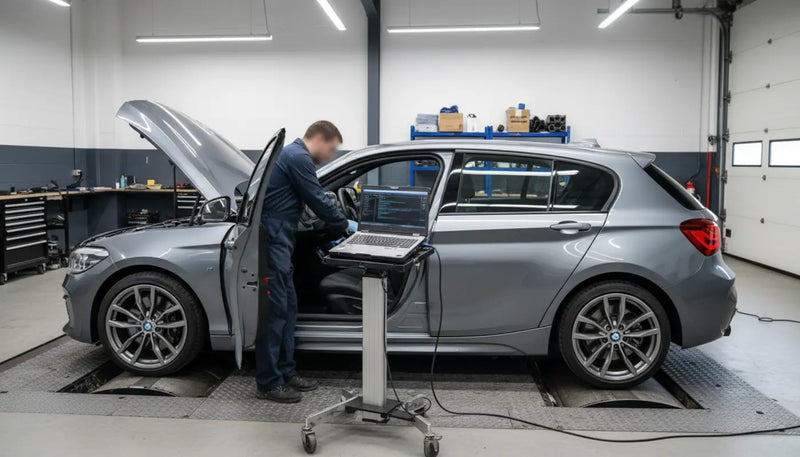
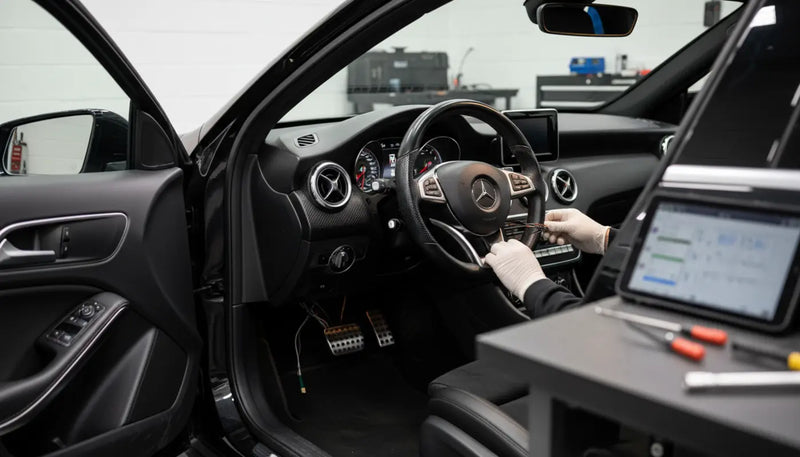
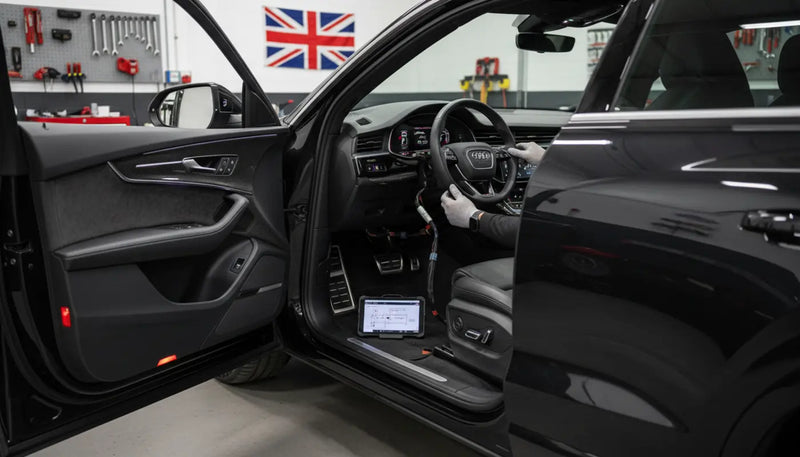
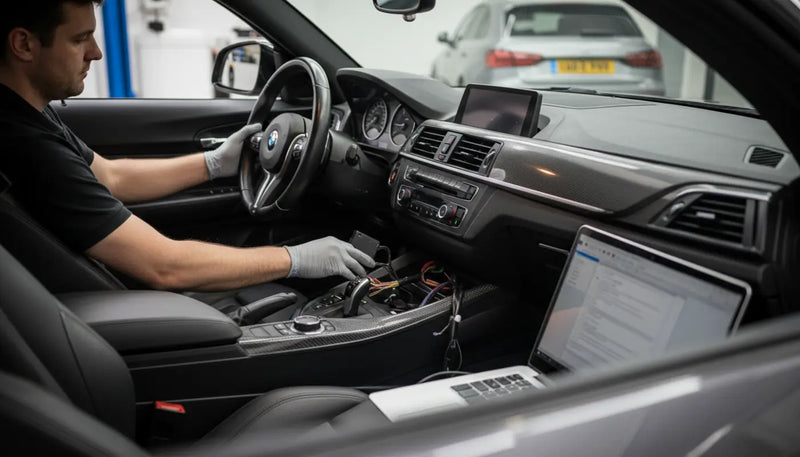
The process can include checking current engine data, reading ECU information through the OBD port where suitable, careful software adjustment and validation using dyno equipment and real world driving. DKU Performance also provides performance reporting for transparency, helping you understand what has changed and why.
For owners comparing options, the wider tuning upgrades available through DKU can also support future plans if the vehicle is moving beyond a basic Stage 1 setup.
Walsall is well placed for Cayenne owners travelling from Birmingham, Wolverhampton, Dudley, Sutton Coldfield and surrounding areas. Local support also makes sense if you want proper advice before the tune and a workshop you can return to if you have questions afterwards.
Rolling Road Testing And Live Data Logging
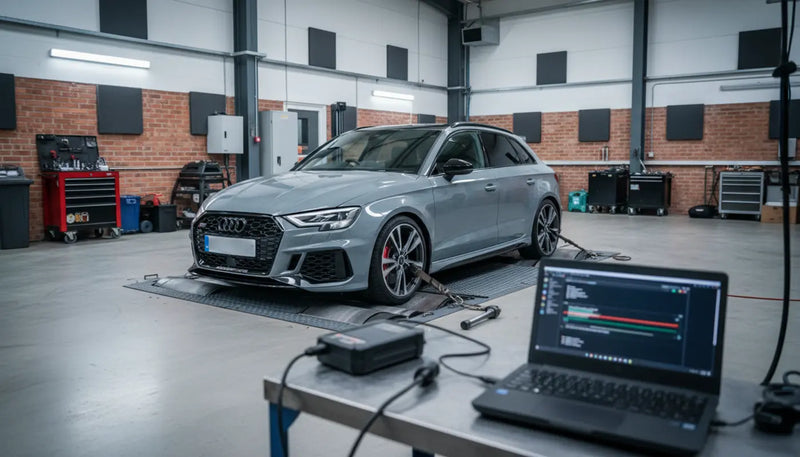
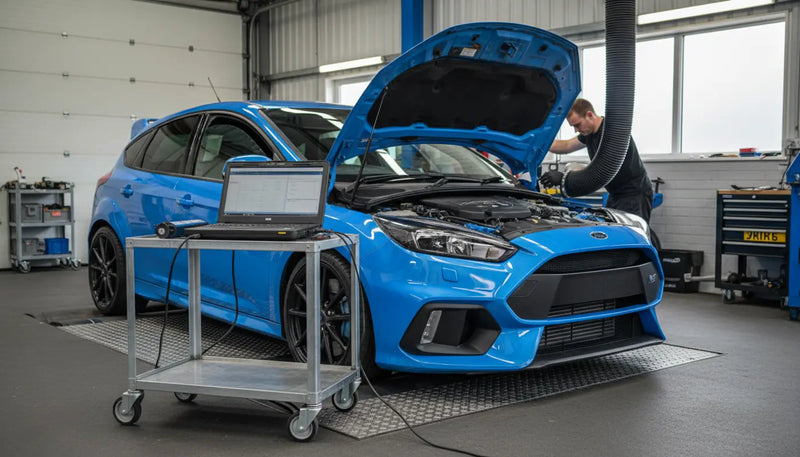
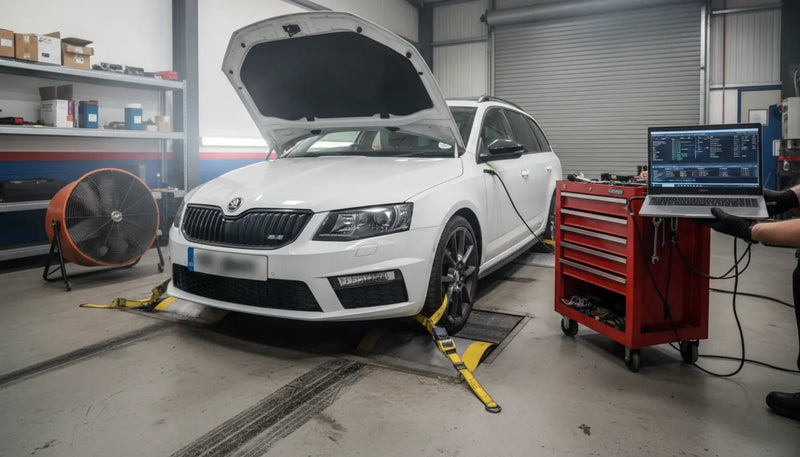
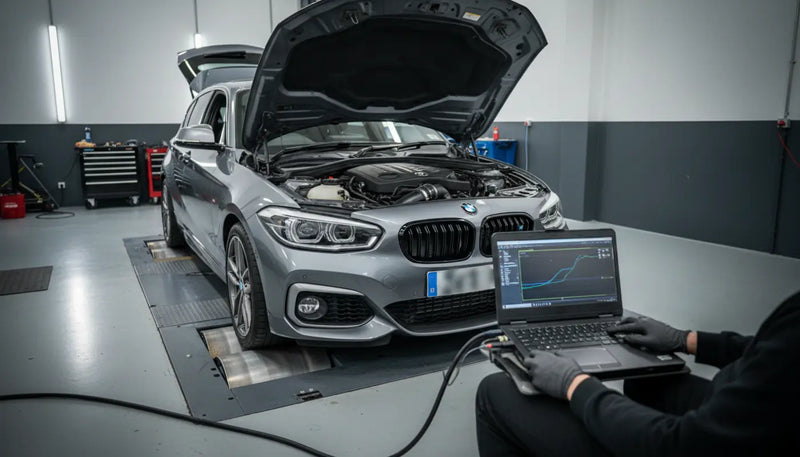
Rolling road dyno testing is useful because it gives a controlled way to compare the Cayenne before and after tuning. A baseline run helps show how the vehicle performs before changes are made, while a final run helps confirm the improvement. The numbers should be viewed alongside conditions such as temperature, tyre pressure, gear selection and how the dyno calculates losses.
Live data logging is just as important as the final graph. It allows the tuner to review boost target versus actual boost, fuelling behaviour, ignition correction, intake temperature and other key information. In simpler terms, it shows whether the engine is responding happily under real load.
If the data shows the engine is not happy, the map should be adjusted rather than ignored. That is the difference between tuning with evidence and tuning with crossed fingers.
DKU Performance has experience with a wide range of performance vehicles, including Porsche work such as this Porsche Cayenne case study. That varied workshop background is useful because performance tuning often needs practical judgement as much as software knowledge.
What Is Included In A Porsche Cayenne 3.0 V6 Stage 1 ECU Remap?
A Porsche Cayenne 3.0 V6 Stage 1 ECU remap is normally centred on software optimisation for standard hardware. The work may involve diagnostic checks, ECU data reading, calibration changes, safe flashing procedures, dyno validation and checks after tuning. The exact method depends on the vehicle's ECU type and condition.
Common areas reviewed during a proper Stage 1 calibration include:
- Boost pressure control and turbo response.
- Fuel delivery under different loads and engine speeds.
- Ignition timing and knock control behaviour.
- Throttle response and torque delivery.
- Gearbox torque request interaction, which means how the engine and gearbox manage the extra pulling power together.
- Fault code checks before and after calibration.
Good preparation matters. Spark plugs, ignition coils, intake leaks, oil condition, coolant health, battery voltage and existing warning lights should all be taken seriously. A remap cannot repair tired parts, and adding more torque to a neglected car is a bit like asking an old pair of trainers to run a marathon.
Stage 1 Versus Stage 2 For The Porsche Cayenne 3.0 V6
Stage 1 is generally the sensible starting point for a Porsche Cayenne 3.0 V6 because it is designed for standard hardware. Stage 2 usually involves supporting modifications and more involved calibration, but the exact parts needed are not the same for every vehicle.
Depending on the engine and goals, supporting parts may involve intake, cooling, exhaust or other hardware changes, but nothing should be assumed without inspecting the exact vehicle.
For most daily driven Cayenne owners, Stage 1 offers the best balance of performance, comfort and practicality. It gives a noticeable improvement without immediately committing to extra parts and added complexity. Stage 2 can make sense for owners who want to take the build further, but it also increases the need for careful heat management, driveline checks and regular servicing.
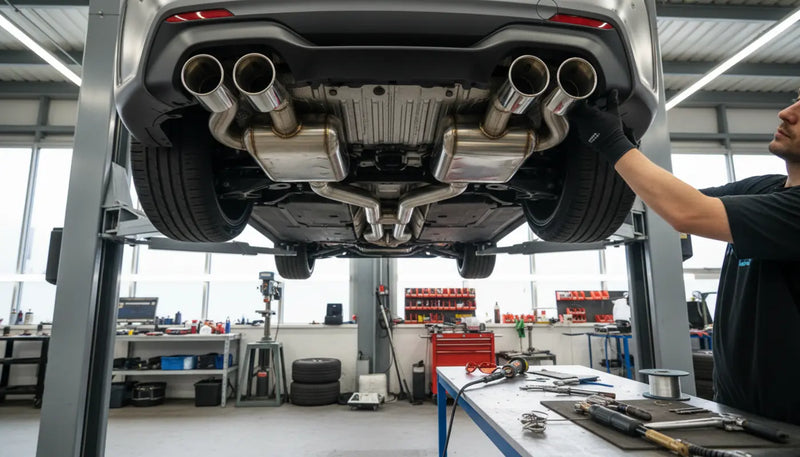
If exhaust flow becomes part of a future tuning plan, DKU Performance also designs and builds custom stainless steel exhaust systems in house using quality materials. That said, exhaust upgrades should be planned around the vehicle, the customer's goals and UK road legal requirements, not simply added because Stage 2 sounds exciting.
Fuel Economy And Everyday Efficiency
A Stage 1 remap can improve efficiency in some driving situations because extra torque may allow the Cayenne to maintain speed with less throttle input. On a motorway commute, that can make the engine feel less strained. However, actual fuel economy depends heavily on driving style, traffic, tyres, fuel quality, vehicle load and how often you use the extra performance.
The honest answer is that MPG may improve if you drive the same route in the same way, but it may also stay the same or drop if you use the extra power often. That is not a fault with the remap. It is just physics being annoyingly consistent. The best way to judge economy is to compare controlled before and after journeys rather than relying on one enthusiastic trip computer reading.
Reliability, Insurance, Warranty And UK Road Use
A performance remap increases load compared with standard factory calibration. More torque can mean higher cylinder pressure, more heat and greater demand on the turbocharger, gearbox and drivetrain.
That is why mechanical health matters before tuning. If your Cayenne has misfires, smoke, boost issues, overheating, poor shifting or warning lights, those problems should be fixed first.
You should also think about insurance and warranty before booking your remap. An ECU remap is a performance modification and should be declared to your insurer, because not declaring it can cause serious problems if you need to make a claim.
Warranty impact depends on the warranty provider, the terms and the type of failure, so it is sensible to ask for written confirmation before booking. You can also read DKU advice on remapping warranty and insurance for a clearer view of the practical considerations.
The vehicle must remain roadworthy and compliant for UK road use. A remap is not a shortcut around emissions rules, MOT requirements or safety obligations. For neutral government guidance on keeping a vehicle safe and legal, the UK vehicle safety guidance is a useful reference for owners who want to stay on the right side of the rules.
Why Cayenne Owners In Walsall And Birmingham Choose DKU Performance
Porsche Cayenne owners choose DKU Performance because the workshop combines performance knowledge with a practical, customer focused approach. The business has grown from genuine enthusiasm for high performance cars and now supports a wide range of vehicles with ECU remapping, custom exhaust fabrication, carbon cleaning, DPF services and vehicle security systems.
The benefit for you is simple. You can discuss your goals with people who understand both performance and everyday drivability. Whether you want sharper motorway response, better overtaking confidence or a tuning plan for future upgrades, the right starting point is an honest vehicle assessment.
If you are ready to explore realistic power gains for your exact Porsche Cayenne 3.0 V6, contact DKU Performance to discuss your vehicle, book an assessment or ask what Stage 1 could achieve. Bring the registration, model year and any service history details, and the team can help you understand what your Cayenne can realistically do.
Frequently Asked Questions
How Much Power Can A Porsche Cayenne 3.0 V6 Gain From Stage 1?
Power gains vary depending on the exact engine version, software, fuel and vehicle condition. As a cautious example, a healthy turbocharged 3.0 V6 petrol model may gain around 30 to 60 bhp and 60 to 100 Nm, but the exact figure should be confirmed after vehicle identification and testing.
Does A Stage 1 Remap Need Hardware Modifications?
No, Stage 1 usually means software optimisation on standard hardware. The vehicle still needs to be mechanically healthy before the ECU is tuned.
Will A Remap Improve Porsche Cayenne MPG?
It can improve efficiency during steady driving if you use the extra torque gently. If you use the extra performance often, fuel use may stay the same or increase.
Do I Need To Tell My Insurer About A Remap?
Yes, you should declare an ECU remap to your insurer because it changes the vehicle's performance. Written confirmation is the safest approach.
Is Stage 1 Better Than Stage 2 For Daily Driving?
For most daily driven Cayenne owners, Stage 1 is the simpler and more balanced option. Stage 2 can offer more potential, but it usually needs extra planning, supporting parts and closer attention to reliability.