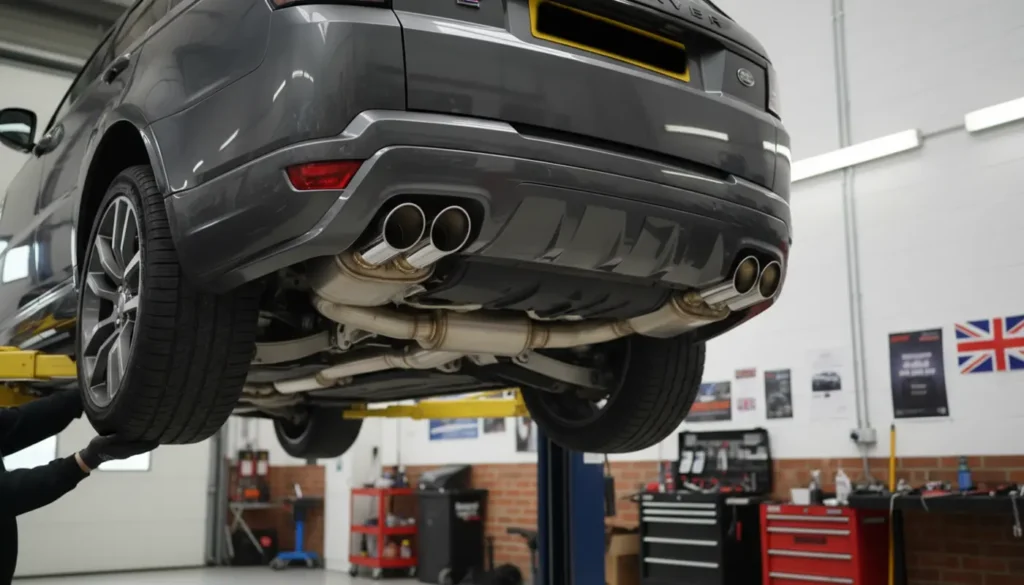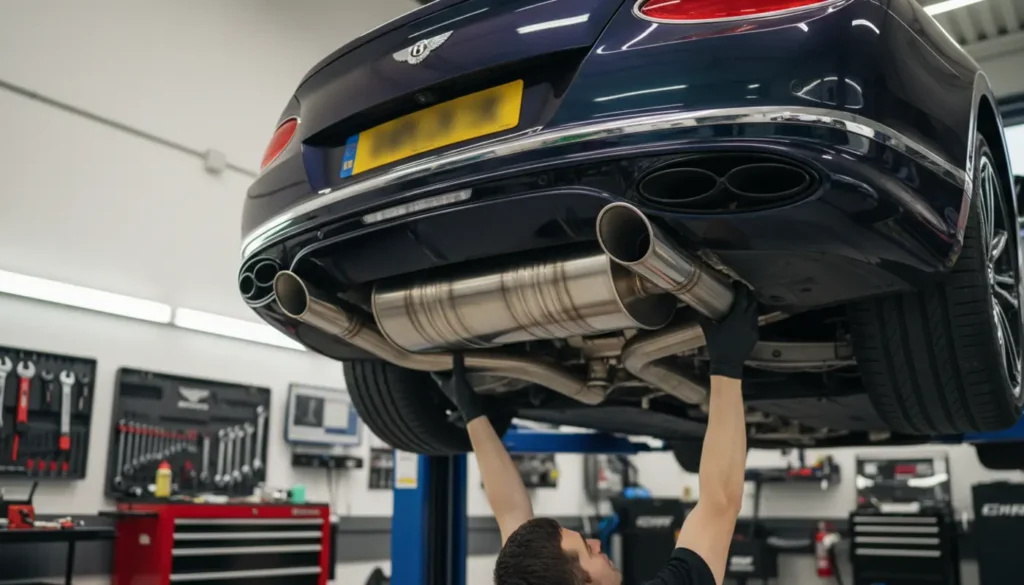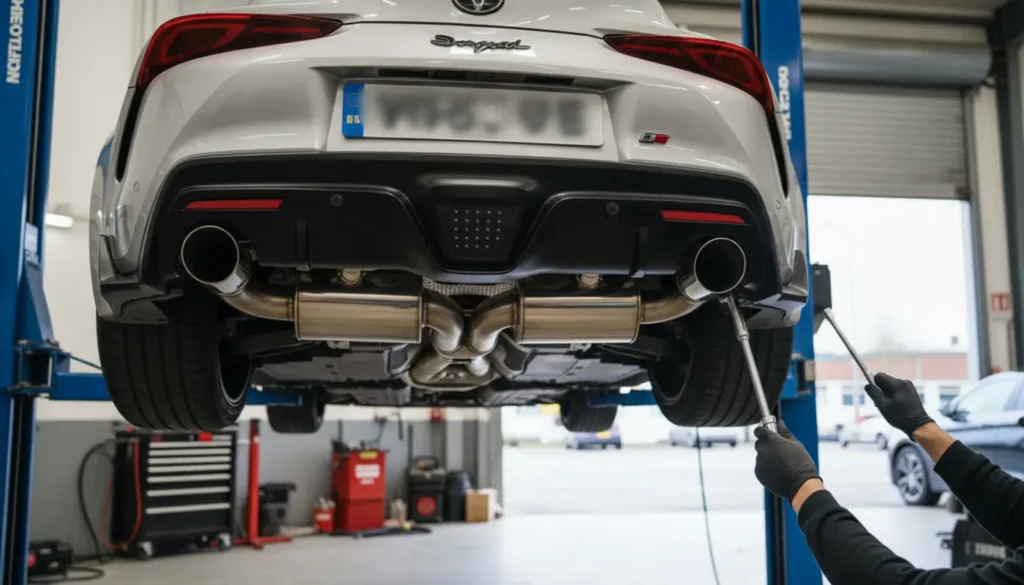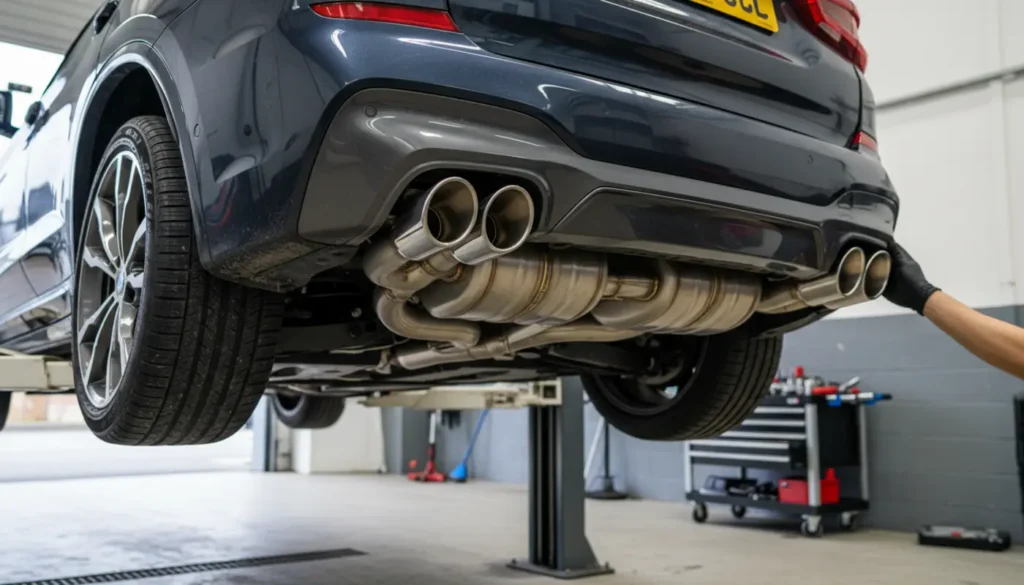
BMW 120i Performance Exhaust System with Mandrel Bends
BMW 120i Performance Exhaust System With Mandrel Bends
Upgrading the exhaust on a BMW 120i is one of the most effective ways to improve how the car breathes, sounds and responds. Many owners feel the car has a little more to give, especially from the 2.0T engine. A well engineered mandrel bent system keeps airflow smooth through tight bends, helping the engine perform more efficiently without turning the car into something uncomfortable to live with.
Most UK drivers want improvements that actually make a difference on the road, not just impressive figures on paper. That usually means sharper throttle response, controlled heat under the bonnet and a deeper tone that still feels refined on the motorway. DKU Performance designs and fabricates bespoke stainless steel exhaust systems in Walsall, offering lifetime guarantees and OEM plus fitment so the upgrade feels natural rather than out of place.
Why Upgrade The Exhaust On Your BMW 120i
The exhaust system directs gases from the engine, through the catalytic converter and out of the rear of the car. While it sounds straightforward, small design changes can have a noticeable impact. Improving pipe flow reduces back pressure, which allows the turbo to spool more smoothly and consistently. Many owners choose to upgrade when planning further modifications such as a remap. For a simple overview of how it all works, the exhaust system explanation covers the basics clearly.
In everyday driving, this translates to quicker throttle response, smoother acceleration and less heat building up around important components. A properly built mandrel bent cat back system can remain civilised while still adding character, so you do not have to sacrifice comfort for performance.
What Is A Mandrel Bent Exhaust
A mandrel bent pipe is shaped using an internal support that keeps the diameter consistent throughout the bend. In simple terms, the pipe keeps its full width even when it curves. This helps exhaust gases flow smoothly without restriction.
With crush bent piping, the metal compresses at the bend which reduces the internal diameter. That narrowing disrupts airflow and increases back pressure. When you are aiming to optimise performance, consistency is key. Mandrel bends allow the engine to breathe more freely and respond in a more predictable way.
Mandrel Versus Crush Bends On A BMW 120i
The space underneath the BMW 120i is limited, so the exhaust must curve around suspension parts and chassis sections. Mandrel bends are especially useful here because they maintain smooth flow even through sharper turns. Crush bends can create small restrictions where gases slow down, which affects overall efficiency.
On the road, this can mean stronger mid range pull and smoother power delivery. The car often feels more responsive when easing off and getting back on the throttle, which makes everyday driving more enjoyable without needing to push the car hard.
BMW 120i Performance Exhaust System Options
Choosing a BMW 120i performance exhaust system depends on how you use the car. Some drivers prefer a subtle upgrade, while others want a more noticeable change in tone and response. Cat back systems are a popular option because they improve flow and sound without altering essential emissions components.
Pipe diameter and muffler design play a bigger role than many expect. If the pipe is too small, it restricts potential gains. If it is too large, you may lose low end response. A well matched setup balances everyday drivability with measurable improvements, rather than simply increasing volume.
Performance Benefits Explained
The main advantage of a performance exhaust system is reduced back pressure. This allows the engine and turbocharger to operate more efficiently, leading to quicker throttle response and improved mid range performance. These benefits are most noticeable during normal driving conditions.
There are additional long term benefits as well. Lower under bonnet temperatures can help protect surrounding components, and the engine often feels smoother overall. For a daily driven 120i, that added responsiveness makes the car feel lighter on its feet without affecting reliability.
Inside A Bespoke Mandrel Bent Cat Back Build
A bespoke system begins with understanding what you want from the car. Some owners want a refined sporty tone, while others prefer something slightly more aggressive. Careful measurements are taken so the exhaust fits neatly around factory mounting points.
Fabrication quality matters. DKU Performance builds systems in house, forming precise bends, brackets and flanges to ensure correct alignment. Strong welding and accurate positioning support both durability and consistent airflow over time.
Material Choices For The BMW 120i Performance Exhaust System
T304 stainless steel is widely recommended for UK conditions because it resists corrosion and handles moisture and road salt well. While mild steel may cost less initially, it is more likely to deteriorate over time.
Titanium is lighter and produces a distinctive tone, but it comes at a much higher cost and is not necessary for most road cars. For a daily BMW 120i, stainless steel offers an excellent balance of strength, appearance and long term value.
Cat Back Design Options For The BMW 120i
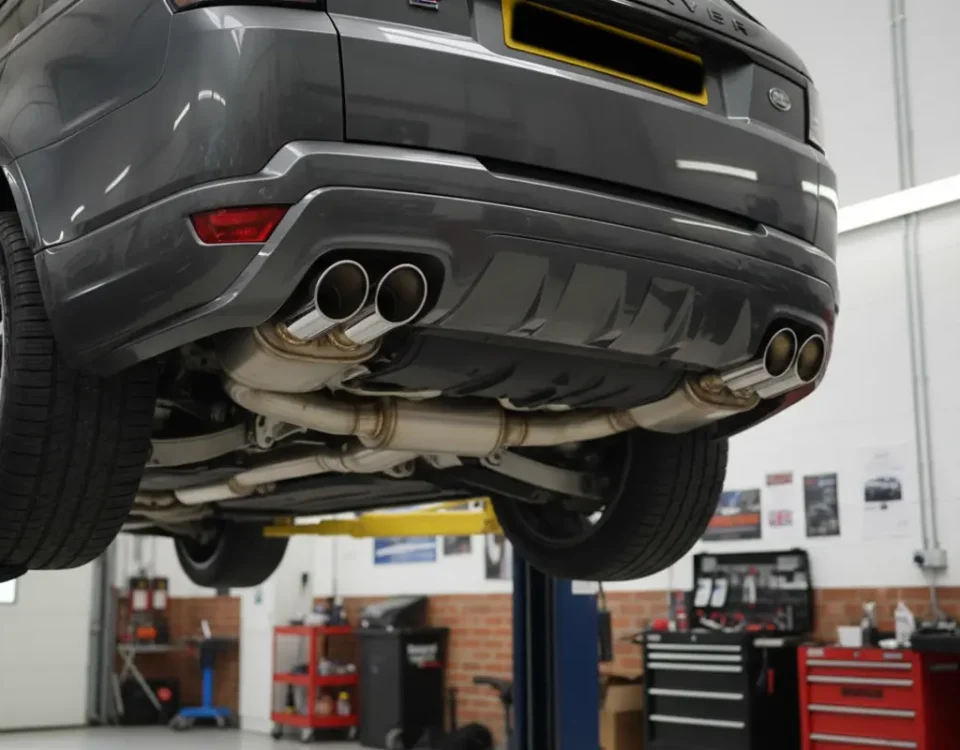
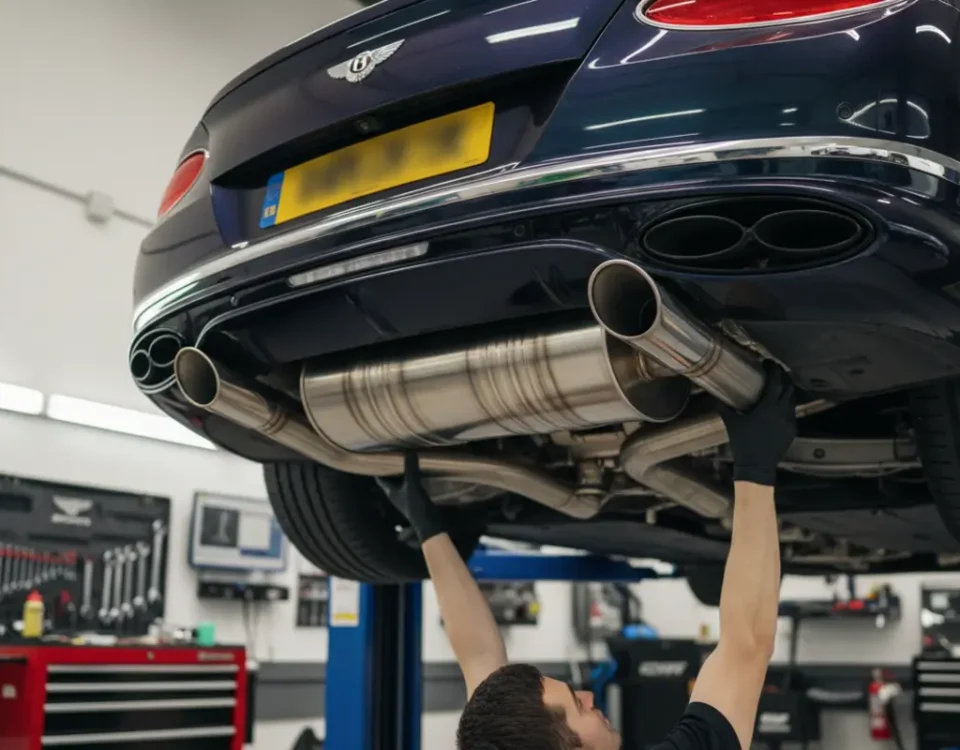
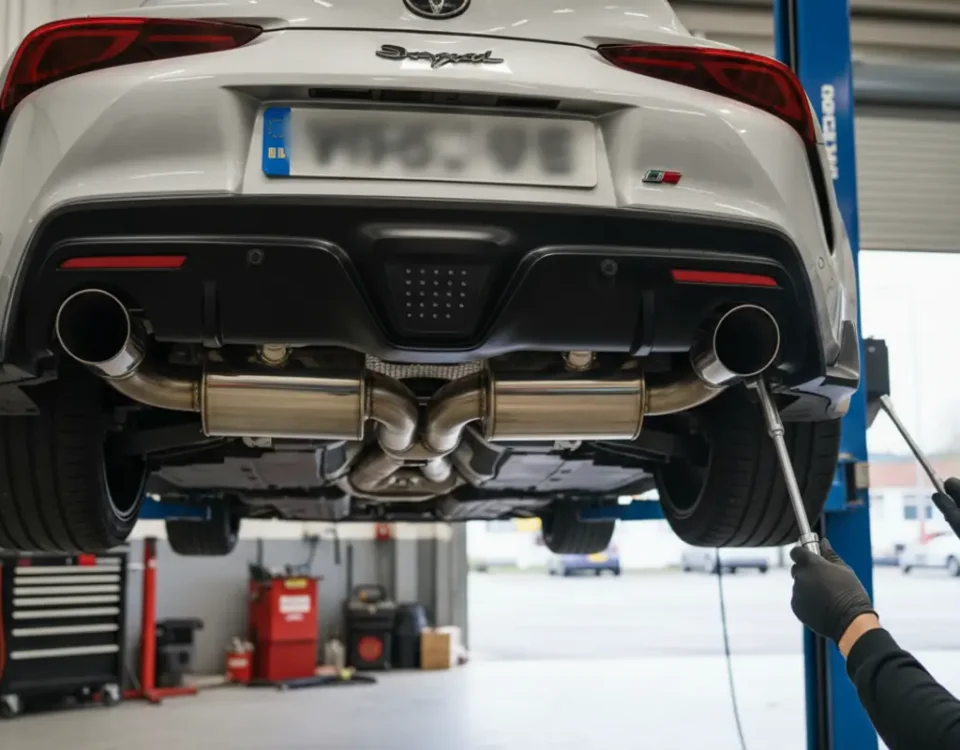
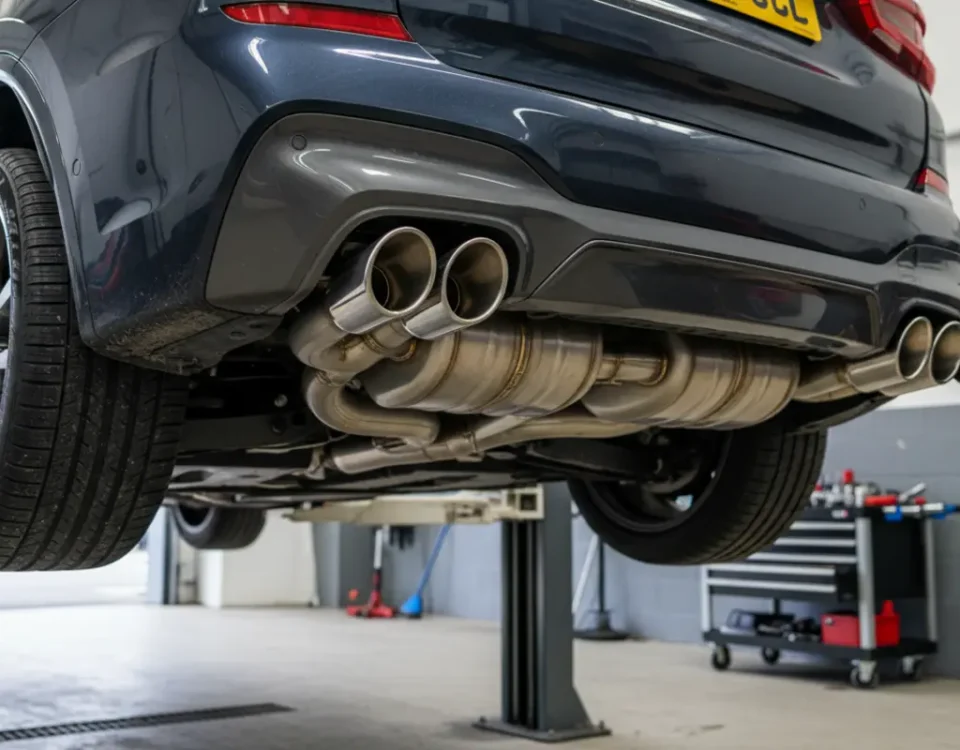
Cat back systems are available in different visual styles. A single exit keeps the look clean and understated, while twin or quad tips provide a more assertive appearance. The choice often comes down to personal taste and how you want the car to present itself.
Fitment quality is just as important as design. A well aligned system should look factory installed rather than added on later. You can view finished examples in the projects gallery to see how different setups complement the 120i platform.
Sound Engineering Without Motorway Drone
Noise levels are a common concern. Many drivers ask whether the car will become too loud or tiring on long journeys. These are sensible questions, especially if the vehicle is used daily.
Exhaust sound depends on how pressure waves move through the system. Straight through designs are louder, while resonators and mufflers help control certain frequencies. The aim is to achieve a deeper, more engaging tone without unwanted motorway drone.
Welding Pipework And OEM Plus Fitment Standards
TIG welding creates strong and tidy joints that maintain smooth internal flow. Secure mounting points and well placed brackets reduce the risk of rattles or long term movement.
Clearance is checked carefully to prevent contact with surrounding components. Aligning the system with the car’s original layout ensures the finished result feels refined and properly integrated.
UK MOT DVSA Noise Rules And Road Legality
Concerns about MOT tests are understandable. A custom exhaust can pass without issue as long as emissions equipment remains in place and the system is correctly sealed.
Excessive noise or removed catalytic converters can lead to problems, so it is important to work with a specialist who understands UK regulations and builds systems accordingly.
Is A BMW 120i Performance Exhaust System With Mandrel Bends Right For You
If you are looking for sharper throttle response, improved sound and long term durability, a mandrel bent performance exhaust is a worthwhile upgrade. The key is choosing a setup that matches your driving style rather than chasing noise alone.
Combining the exhaust with a professional ECU remap can help you make the most of the improvements. Speaking with an experienced specialist such as DKU Performance can make the process straightforward and ensure the final result suits both your car and your expectations.
Frequently Asked Questions
What gains can you expect from a mandrel bent exhaust on a BMW 120i?
Most drivers notice improved throttle response, smoother power delivery and stronger mid range performance, particularly when paired with a suitable remap.
Will a custom exhaust pass the UK MOT?
Yes, provided emissions components are retained and the system is installed correctly, it should meet MOT requirements.
Which material is best for UK conditions?
T304 stainless steel is generally the best choice due to its resistance to corrosion and long lasting durability.
Can motorway drone be avoided with a performance system?
With the correct combination of resonators and mufflers, it is possible to achieve a sporty tone without uncomfortable noise on longer journeys.
Why choose DKU Performance for a BMW 120i exhaust?
DKU Performance offers in house fabrication, precise fitment and practical road focused design, delivering systems that suit both daily driving and enthusiast use.