Bmw 116i Vs 118i Which Is Better Value for Money
BMW 116i Vs 118i Which Is Better Value For Money?
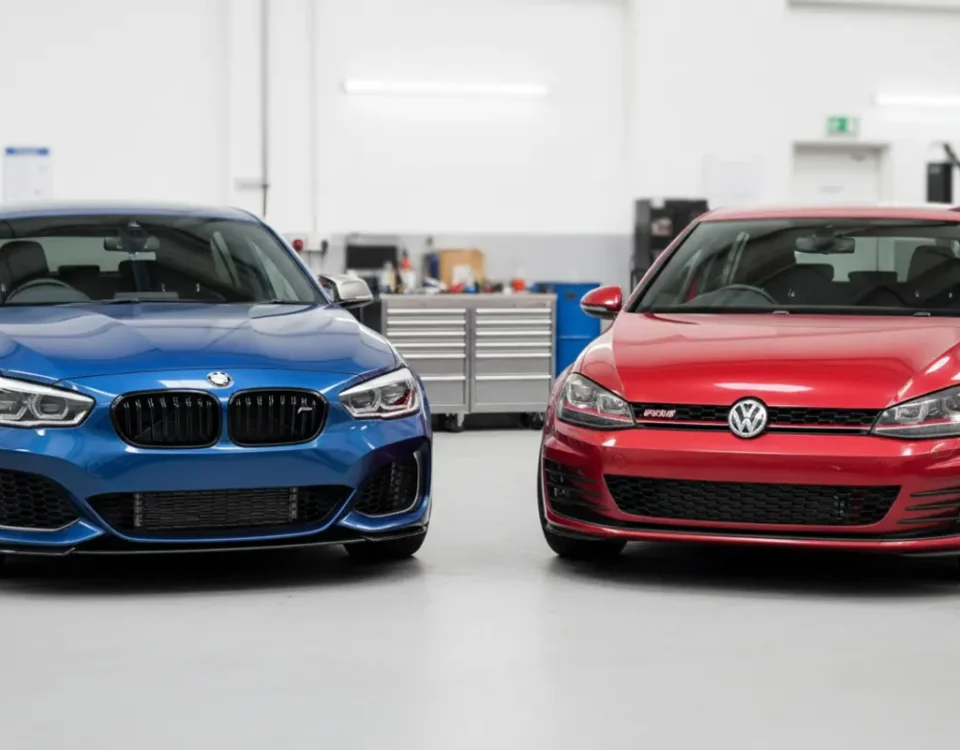
You are stuck between a BMW 116i and a 118i. Fair enough. They look almost identical. On the used market, the prices are close. Both wear the BMW badge with confidence.
But let us be real. They do not drive the same. One feels like the sensible pick. The other feels like you did not cut corners. If you are already thinking about a BMW 116i custom exhaust, you are not just after a quiet commute. You want some fun without draining your bank account. DKU Performance upgrades deal with this all the time. Drivers want more from their car without making a poor money choice.
Quick Overview Of BMW 116i And 118i
Cut the nonsense. The 116i is the entry level petrol. It is cheaper to buy. Insurance is usually a bit lower. That is where the big advantages end. The 118i is the next step up. Same body. Same cabin. Just more power and more confidence. Across different generations, engine sizes changed. Older cars used a 1.6 litre engine. Newer models use a 1.5 litre turbo. The pattern stays the same. The 118i always has more punch.
Engine Power And Performance
Here is what matters. Power.
A typical 116i has around 120 bhp. The 118i sits closer to 135 or 140 bhp depending on the year. On paper, that gap looks small. On the road, it is not. The 116i moves fine in town. But when you need quick acceleration, it feels flat. Overtaking takes planning. Joining a motorway needs patience. The 118i feels sharper. It pulls harder. It responds quicker. It simply suits the chassis better. The 118i hits a strong balance between usable power and daily comfort. Straight up, it is the smarter all round choice for most drivers.
Real World Driving Experience
You do not drive a spec sheet. You drive in traffic, on A roads, and on the motorway. The 116i is calm at low speeds. Around town, it does the job. Push it harder and it feels stretched. The 118i handles daily life better. It feels smoother under load and less stressed when you accelerate. Same chassis. Same handling. One engine just makes better use of it.
Fuel Economy And Running Costs
This is where people defend the 116i. They say it saves fuel. Clearly, that sounds great. Reality is different. On paper, both cars sit in the mid 40s mpg range. In real driving, the gap is tiny. Often there is no meaningful difference. Some older 116i models claim around 6.4 litres per 100 km. Many drivers report closer to 8.4 in daily use. The 118i also creeps up from official figures. So no, the 116i is not a fuel saving hero. It is just slower while costing nearly the same to run.
Insurance Tax And Maintenance
Yes, the 116i is usually a bit cheaper to insure. But we are talking small differences. Maintenance costs are almost identical. Same platform. Similar parts. Same service needs. BMW ownership is not cheap either way. You still need proper servicing and good tyres. If you are choosing the 116i only to save a few pounds on insurance, you are focusing on the wrong numbers.
Reliability And Known Issues
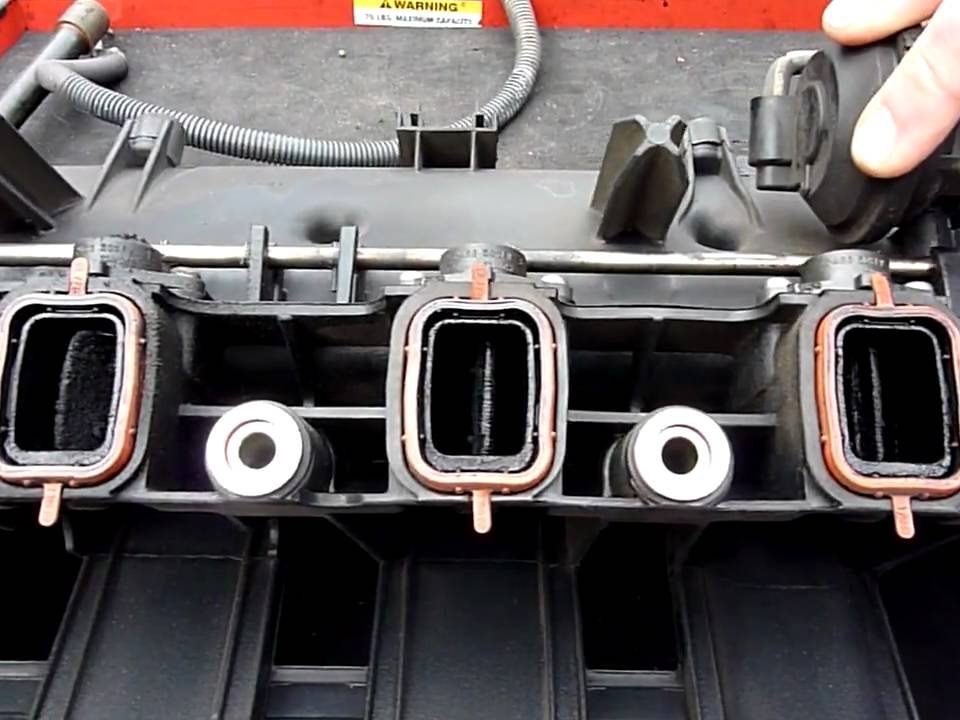
Now the serious bit. Reliability. Many 116i and 118i models from around 2012 to 2015 used the Prince engine. It had known issues. Timing chain problems. Oil consumption. Costly repairs. Avoid those years unless there is clear proof of repairs and solid service history. Newer engines are better. Not perfect. But improved. When we talk about value for money, avoiding a large repair bill matters more than saving a small amount upfront.
Depreciation And Used Prices
BMWs lose value quickly. That helps used buyers. You can find a decent used 1 Series from around £9000 depending on age and spec. The 118i often holds value slightly better. Why. Because more people want it. The 116i may be cheaper at the start. But it can be harder to sell later. Saving money upfront is pointless if you lose it when you sell.
BMW 116i Vs 118i Custom Exhaust And Upgrades
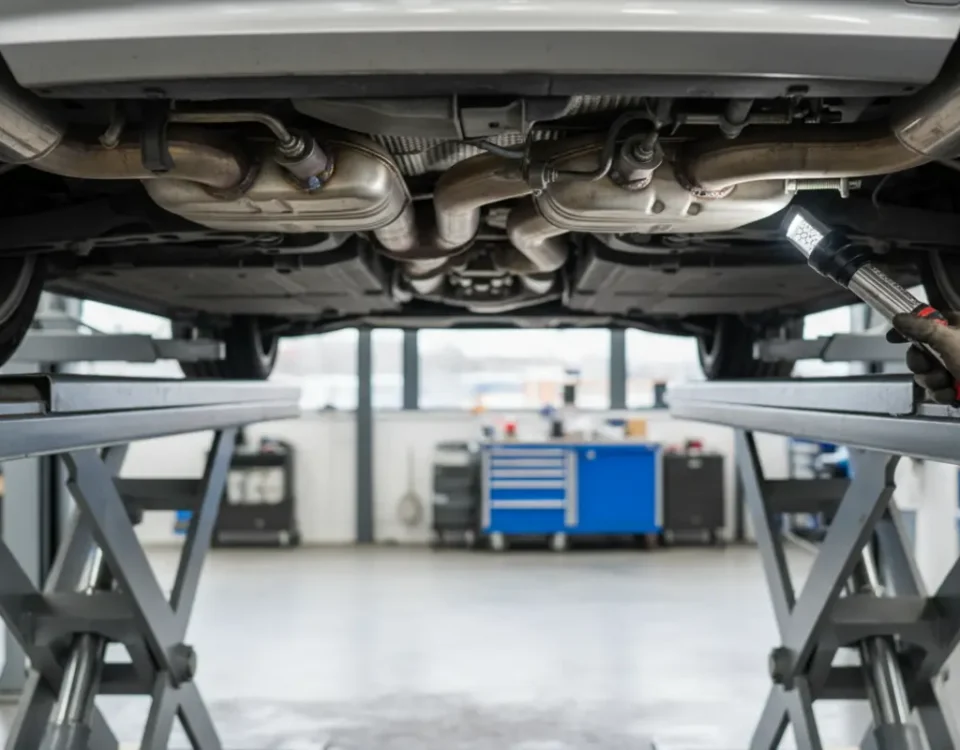
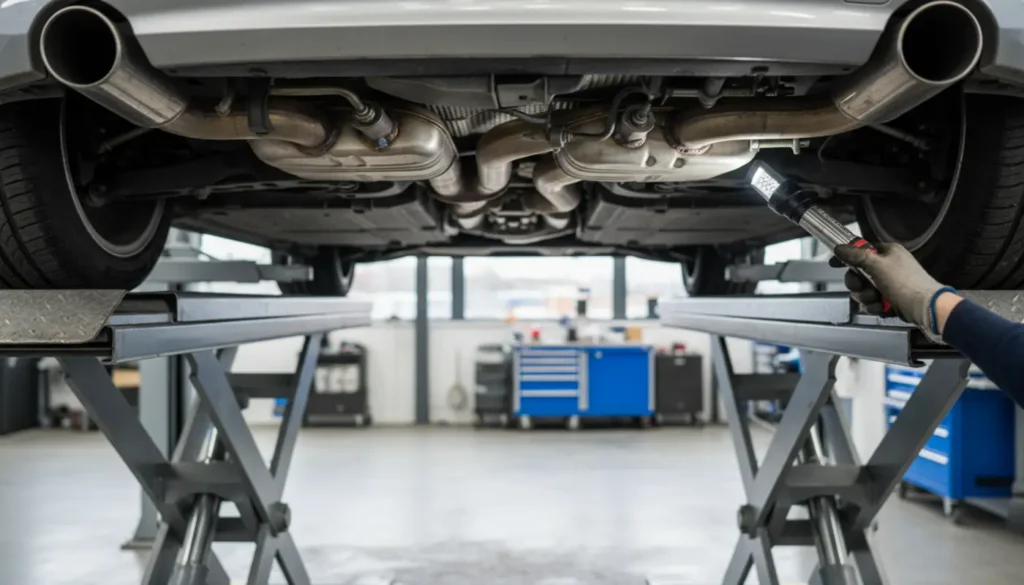
Let us say you already bought a 116i. It feels underpowered. So you look at a BMW 116i custom exhaust. Fair move. But stop pretending it turns the car into a 118i. It does not. A custom exhaust reduces back pressure. That means the engine can push gases out more easily. In simple terms, it breathes better. You get a small performance gain and a much better sound. Also the improved flow can sharpen throttle response. It feels more lively. Not dramatically faster.
Performance Gains Vs Cost Of A 118i
Here is the honest breakdown. An exhaust and a remap will wake up a 116i. It will sound better. It will feel stronger.
But it still will not fully match a standard 118i.
- Lower upfront car cost
- Sharper engine response
- Better exhaust sound
- More driving enjoyment
- Personal setup
If you already own a 116i, upgrades make sense. If you are buying from scratch, the 118i is usually the cleaner solution.
Impact On Warranty Insurance And Resale
Let us not ignore the practical side. A custom exhaust can affect warranty on newer cars. You must inform your insurer. Even if it is only an exhaust. Resale value can go either way. Some buyers like modified cars. Others avoid them. If you plan to keep the car long term, upgrades can be worth it. If you change cars often, think carefully.
BMW 116i Vs 118i Which Offers Better Value For Money
Here is what is actually happening. If you want solid performance with similar running costs, the 118i wins. Clearly. You pay slightly more at the start. In return, you get stronger power and better resale appeal. The 116i suits a tight budget or mostly city driving. Or drivers who enjoy modifying cars. For most people, the 118i is the one they are happier with long term. At DKU Performance, we see it often. Owners ask how to make their 116i feel quicker. Rarely does someone complain their 118i feels slow.
Final Buying Checklist
Before buying, check the basics properly.
- Full service history
- Exact engine and year
- Timing chain condition
- Signs of poor maintenance
- Any previous modifications
- Proper test drive
- Insurance quotes
Drive both models if possible. Ten minutes behind the wheel will tell you more than hours of reading reviews.
Frequently Asked Questions
Is The BMW 118i Much Faster Than The 116i?
Yes. The extra power is noticeable in daily driving, especially on motorways.
Is The BMW 116i Cheaper To Run?
Not by much. Fuel and maintenance costs are very similar in real use.
Should I Modify A 116i Instead Of Buying A 118i?
If you already own a 116i, upgrades can improve it. If you are buying fresh, the 118i is the simpler and stronger option.
Which BMW 1 Series Engines Should I Avoid?
Be cautious with 2012 to 2015 petrol models using the Prince engine due to known reliability problems.
Does A Custom Exhaust Add Power?
It adds a small power increase and a big improvement in sound. The main gain is driving feel rather than outright speed.