Depending on whether you’re a speed freak or a Sunday driver, you might have very different opinions on super-quick acceleration speeds: While it’s fun to fantasise about the 0-60mph time of the newest supercar, hardly anyone likes to be overtaken at traffic lights or awoken by loud revving noises outside their house.
In addition to the anti-social aspects of pushing your car to its limits, this extra strain could be causing damage to your engine parts, transmission and clutch. In this article, we’ll be looking at the ways driving fast can damage your car and how to reduce wear and tear on engine parts, even if you enjoy putting the pedal to the metal more than you should.
Does Accelerating Hard Damage Your Engine?
While acceleration will never damage your engine in the same way as, say, hitting a tree at 60mph, it does cause damage in the long term. Quick acceleration puts a lot more stress on your engine than gentle increases in speed, contributing to engine wear and damage, even if you don’t notice the changes right away.
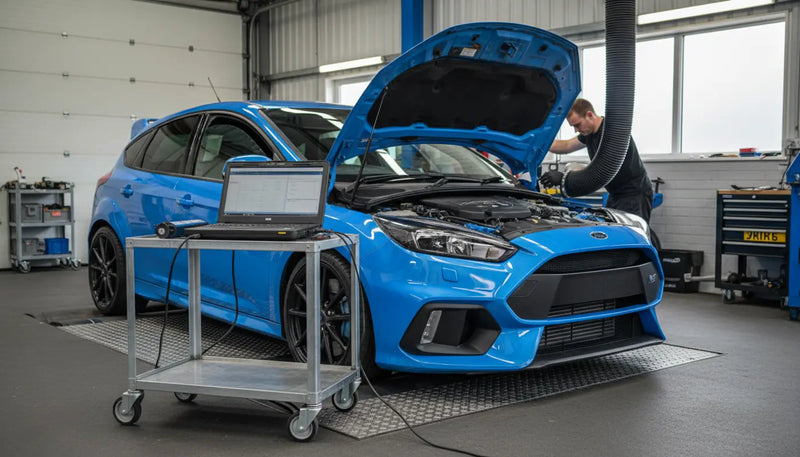
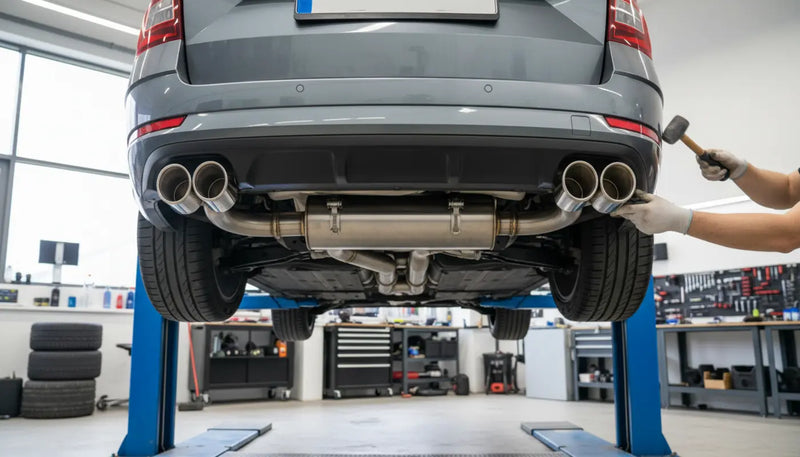
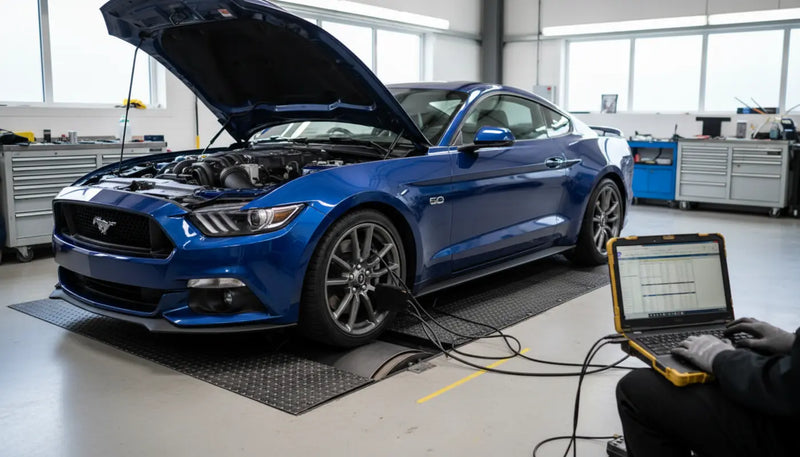
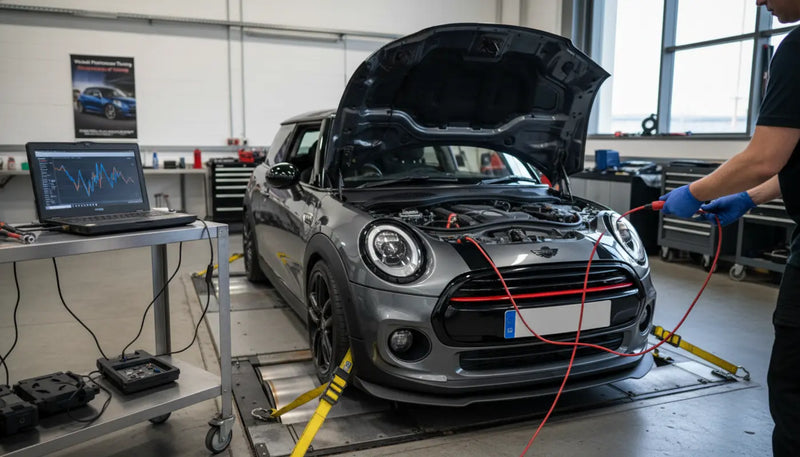
Furthermore, certain modifications increase your car’s speed, power, or acceleration, such as remapping your car’s Engine Control Unit, pushing your car to its limits, and straining your engine parts even more than normal. Even if you take your car to the best remapping companies available, remapping services will inherently put more strain on your engine, so you may end up paying more to repair and replace engine parts in the long run.
Is it better to Accelerate Fast or Slow?
Slower, gradual acceleration is better for your car and helps reduce your fuel consumption, making it the better choice overall. While quick acceleration definitely has its place – such as pulling out of a busy junction – slow and steady is kinder to your car and your wallet since you shouldn’t have to refuel or repair as often.
Rather than flooring the accelerator and changing up the gears as fast as you can, give your car more time to gather speed, change gears at the recommended level of revs, and try not to redline it to avoid undue stress on your engine. However, you should always try to keep up with fellow motorists, as accelerating and driving slower than other vehicles can increase your risk of motor accidents.
Is there a Legal Limit to Acceleration?
Technically speaking, there are no laws to prohibit quick acceleration in a motor vehicle as long as you abide by other road laws, keep to the speed limit and drive safely. However, you may be stopped (and ticketed, fined or arrested) if police believe that your acceleration constitutes “careless and inconsiderate driving” or causes “alarm, distress or annoyance to members of the public” under the Police Reform Act 2002, section 59.
Because the terms “inconsiderate driving” and “alarm, distress or annoyance” are so open-ended, we strongly recommend accelerating at a reasonable pace at driving safely to avoid fines and tickets. In other words, while the fast acceleration is technically legal, we don’t advise burning rubber every time you pull off unless you have plenty of money for repairs and legal fees.
Does driving fast clean your engine?
No. The concept of a self-cleaning engine is something confined to the realms of science-fiction for the time being, no matter how much petrol companies market ‘clean’ fuel. Regardless of how slow or fast you drive, your engine won’t get any cleaner from driving alone, so you should look into carbon cleaning and engine cleaning services if you’re concerned about dirt in your engine.
However, driving fast can help clean your exhaust in specific conditions, assuming you drive a diesel car fitted with a Diesel Particulate Filter or DPF (also known as a catalytic converter). If you own one of these types of vehicles, driving at high speeds for long periods heats your exhaust to the point that it burns off particulates (in a process known as active regeneration), effectively cleaning itself.
Is It Ok To Wash The Engine Of A Car?
Most modern vehicles use ‘weather-sealed’ connectors, meaning that the electrical parts in your engine bay should be safe to wash. Notice that I said “should,” as there is still a chance you can penetrate the seals and cause catastrophic water damage, especially if you use pressure washers to clean your engine.
If you’re concerned about dirt in your engine, try searching for the best remapping companies in your area, as many offer engine cleaning services like carbon cleaning. Otherwise, stick to basic soapy water and a rinse to clean your engine bay, and only if you own a modern car with weather-proofed seals to avoid damaging your vehicle.
Can I Wash My Engine While It’s Running?
No! Cleaning your engine while it’s running is a terrible idea, as it increases the risk of water damage to sensitive components as well as exposing you to potentially red-hot engine parts. Although cleaning your car after a long drive may seem like a good idea, you should give your engine time to cool down before you even think of throwing soapy water on it.
In extreme cases, cleaning a red hot engine with water can cause thermal shock, cracking your engine block. If you think I’m being overly dramatic, run an ice cube under boiling hot water and imagine that happening to your engine before you throw soapy water into your car’s engine bay.
Will High RPM Damage The Engine?
A high RPM (Revolutions Per Minute) isn’t exactly bad for your engine, but it’s a lot worse than low revs in the long run, as it causes more wear and tears on your engine parts. Most engines are designed to work within a set range of RPM, so exceeding these safe limits (by downshifting at high speeds, for example) can cause serious damage to your engine.
Furthermore, tuning your car with an ECU remap can cause your engine to hit even higher RPMs, meaning it will wear out much quicker than normal, especially if you push it hard. Be careful when modifying your car, and ask for advice from the best remapping companies to avoid excess damage to your engine.
Conclusion
Just like any other piece of machinery, your car will wear out much faster when you push it to its limits, so accelerating quickly may be taking a major toll on your engine. But if you absolutely must go fast, remember to service your car often and be careful on the roads to reduce the risk of engine failure, car accidents and police fines.